
India, Norway, and a plane ticket in between
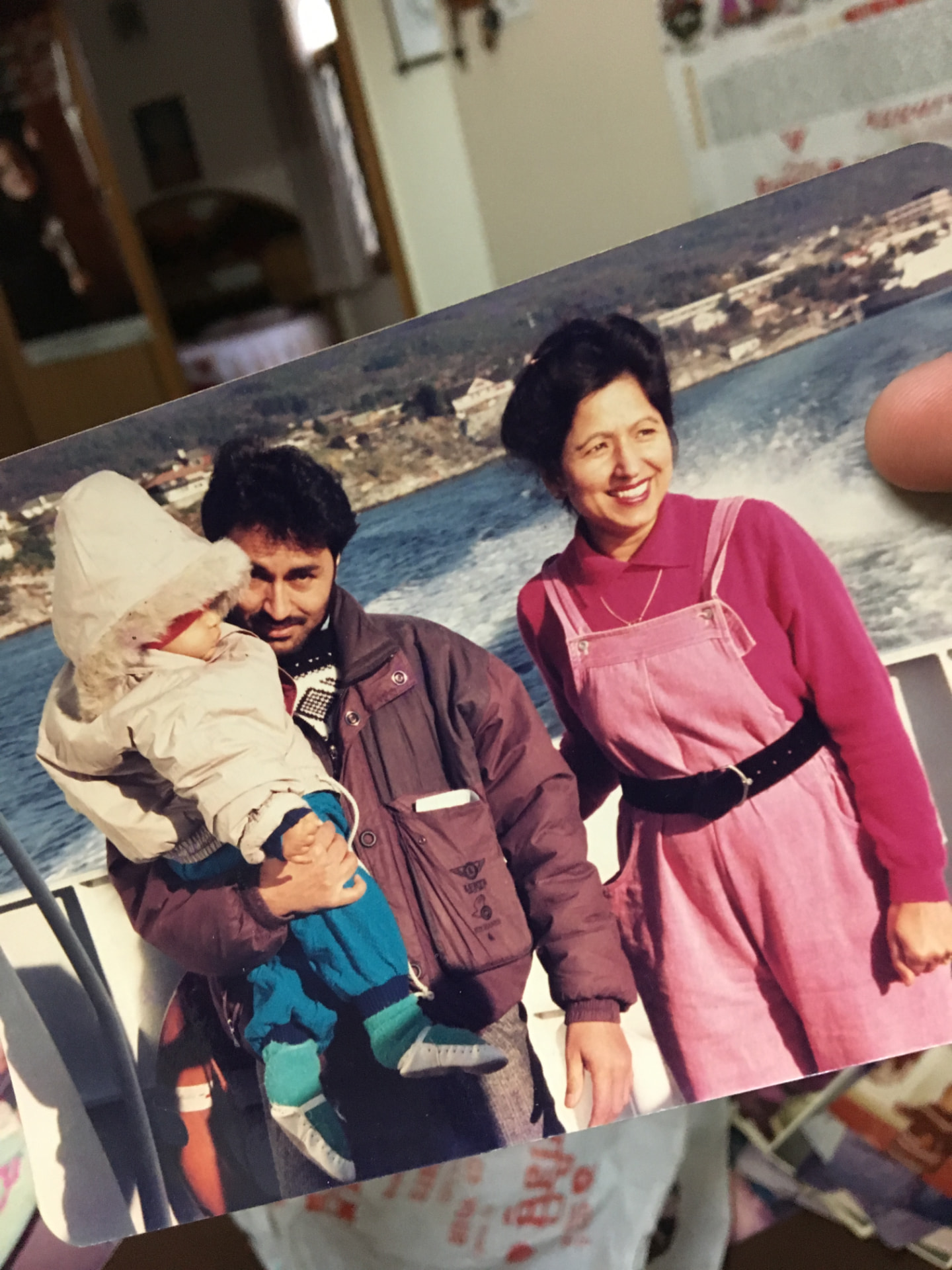
My parents were born in India and built their life in Norway, in a new country, in a new language, far from everyone they grew up with. I was born here, which means India has always been both familiar and far away: the language spoken at home, family on the other side of the world, and a place I returned to every year.
So while we are getting married in Delhi, you are also getting a small glimpse into a part of my background that usually feels very far from my everyday life in Norway.
Some of you already know India. For everyone else: prepare yourselves. India is difficult to explain before you experience it and almost impossible to forget afterwards.

Come ready to be part of it
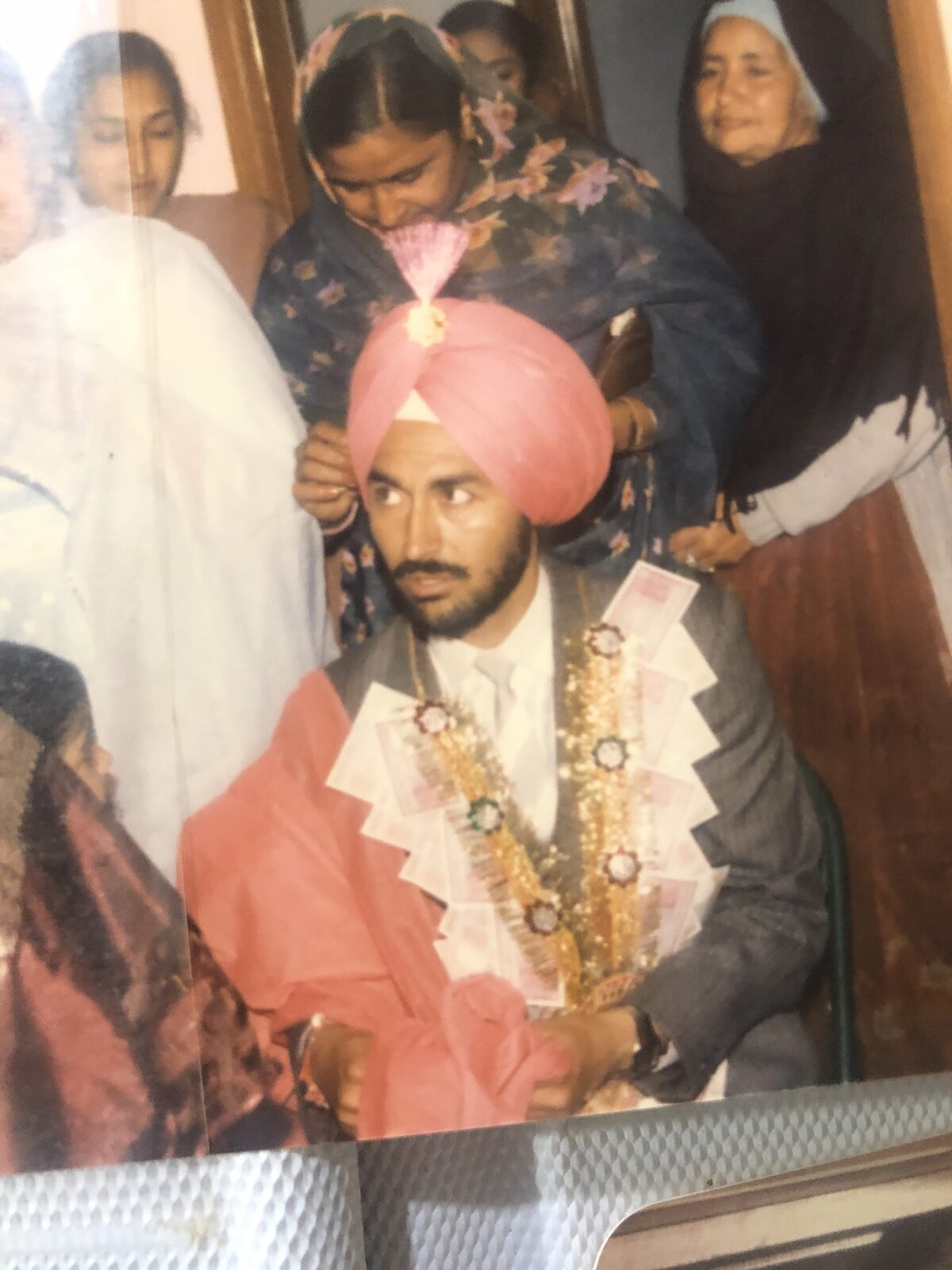
Punjabi weddings are not particularly famous for doing things quietly. Ours is actually considered fairly intimate by Indian standards, which somehow still means around 250 people across three days. When I told my uncle the number, he looked slightly shocked and, I think, a little embarrassed on our behalf. His daughter had around 2000 guests at her wedding. So by Punjabi standards, Viktoria and I are apparently having something close to a private ceremony.
Viktoria and I probably will not get as much one-on-one time with everyone as we would like, but that is partly how these weddings work. A Punjabi wedding is not really something you sit down and politely observe. You get pulled into it.
You eat. You dance. You meet someone's uncle. Someone's uncle introduces you to someone else's uncle. Twenty minutes later you are holding a drink beside people whose names you have already forgotten, and shortly afterwards you may find yourself in the middle of a bhangra circle with absolutely no idea what you are doing. Do not worry. Very few people do.
At its heart, though, a Punjabi wedding is bigger than two people getting married. Traditionally, it is the creation of an alliance between families, bringing together not only two people, but histories, places and generations.
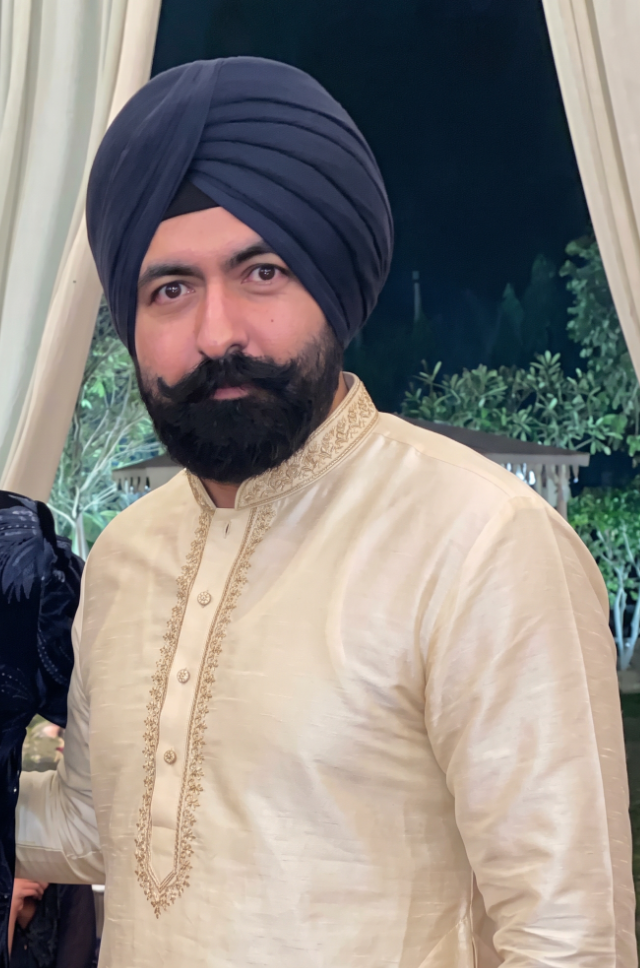
In our case, those histories have travelled quite a distance. Viktoria was born in Oslo and grew up in Alver, with a father from Stiklestad and a mother from Bergen. Simerjit was born in Norway to Indian parents, with family roots stretching back to Kapurthala in Punjab and, on his mother’s side, to Dera Ghazi Khan (which became part of Pakistan after Partition in 1947).
So this wedding is, quite literally, two very different parts of the world, and several generations of journeys, ending up on the same dance floor.
Everything, all at once
So: welcome to India. The country my parents were born in. The world's oldest continuous civilisation, the world's largest democracy, and the place that gave the world yoga, binary code, butter chicken, chess, algebra, trigonometry and the number zero — to mention a few.
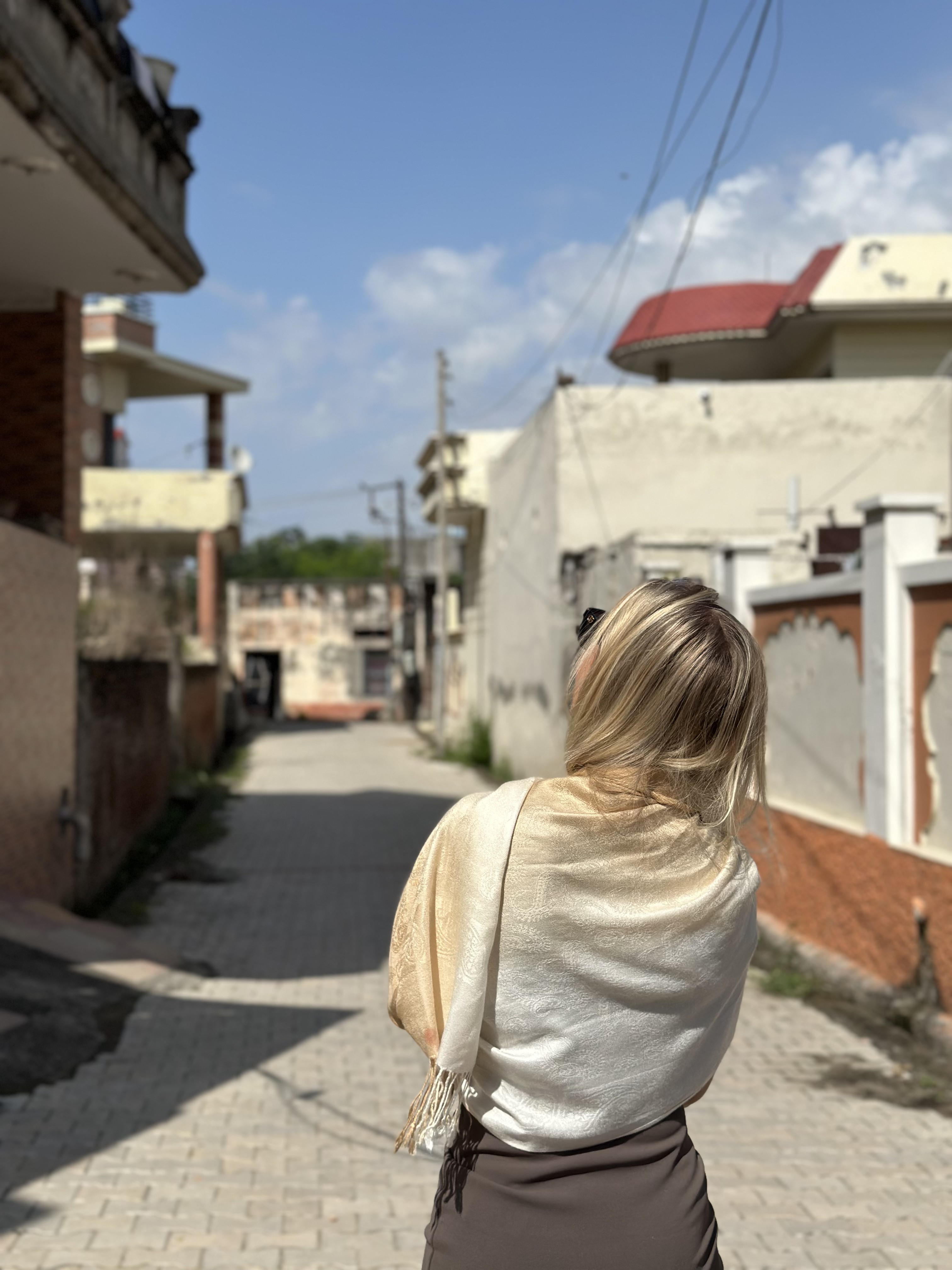
If I had to describe the country in one word, it would probably be contrast. And not subtle contrast. A marble temple beside a tin roof. A Rolls-Royce overtaking a hand-pulled cart. Complete silence inside a Gurdwara and absolute chaos ten metres outside. Ancient and hypermodern. Spiritual and commercial. Overwhelmingly crowded and, sometimes, completely still. India rarely asks you to choose between two opposites. It simply gives you both at the same time.
Travelling around India is a little like travelling around a own continent. People speak different languages, look different, eat differently, and the landscape and climate can change completely along the way. Every state has its own culture and its own unwritten rules. There are 22 official languages and more than 1,600 languages and dialects in total.
Religion works in much the same way: many beliefs and traditions existing side by side. India is a secular country with no official state religion. One illustration of this is that, in a country where around 80% of the population is Hindu, India at one point had a Muslim president, a Sikh prime minister and an Italian-born Roman Catholic chairing the parliament.
So try not to decide too quickly what India is. Whatever conclusion you reach, there is probably somewhere else in the country proving the exact opposite.
India runs on its own clock
Then there is Delhi. Around 23 million people live here, more than four times the population of Norway, compressed into one city. You will notice. There will be traffic. There will be queues. A twenty-minute drive may take an hour. Someone will almost certainly look you directly in the eyes and confidently tell you something will take “five minutes”. It will probably not take five minutes.
Sometimes there seems to be no system. Sometimes there definitely is a system, but nobody has explained it to you. At some point you may become mildly irritated. This is normal. The trick is to stop fighting it. Keep your humour, take a drink, accept that the queue is the queue, and go with the flow. India becomes considerably easier, and much more entertaining, once you stop expecting everything to work exactly as it does at home.
Nobody warned you about this part
And while we are discussing things that may surprise you: Delhi has a smell. Actually, Delhi has approximately 400 smells happening simultaneously. Fresh tandoor. Spices. Incense. Flowers. Diesel. Dust. Street food. And occasionally something you would strongly prefer not to investigate further. You notice it immediately. A few days later, strangely, you barely notice it at all.
Air quality can also be poor, although March is normally much better than the winter months. Breathing the air in New Delhi is on average equivalent to smoking about nine cigarettes a day, while severe winter smog spikes can make daily exposure equivalent to around 50 cigarettes. If you have asthma or are particularly sensitive to pollution, bringing an N95 mask is sensible.
Some things may stay with you
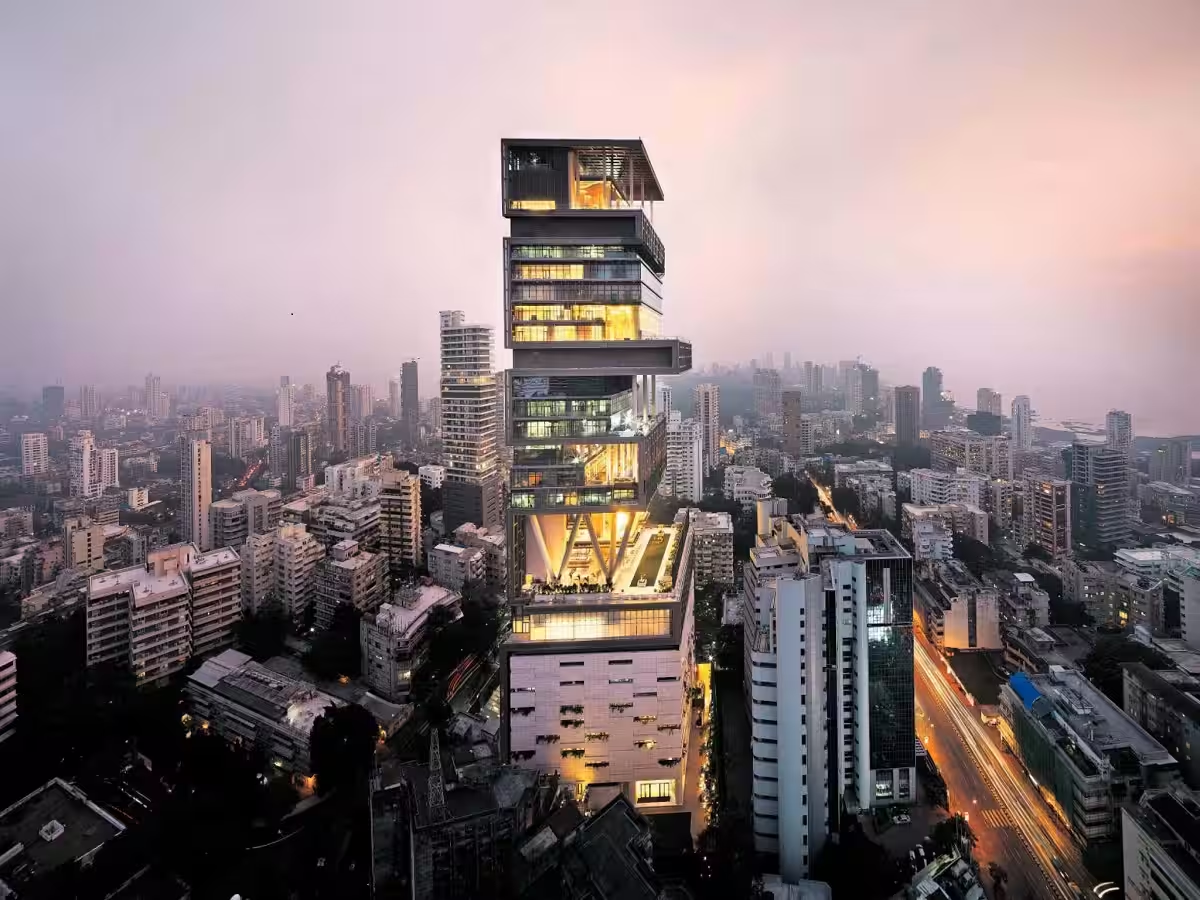
But there is another side of India that is harder to joke about. The inequality can be confronting. India has the world's second-largest population of billionaires, while around 75% of Indians live on less than two dollars a day. On one side there is enough wealth to build Antilia — the world's most valuable private residence and the second most valuable residential property on earth after Buckingham Palace — while elsewhere families live beside railway tracks or sleep by the road. Sometimes those worlds are not kilometres apart. They are metres apart. And that can stay with you.
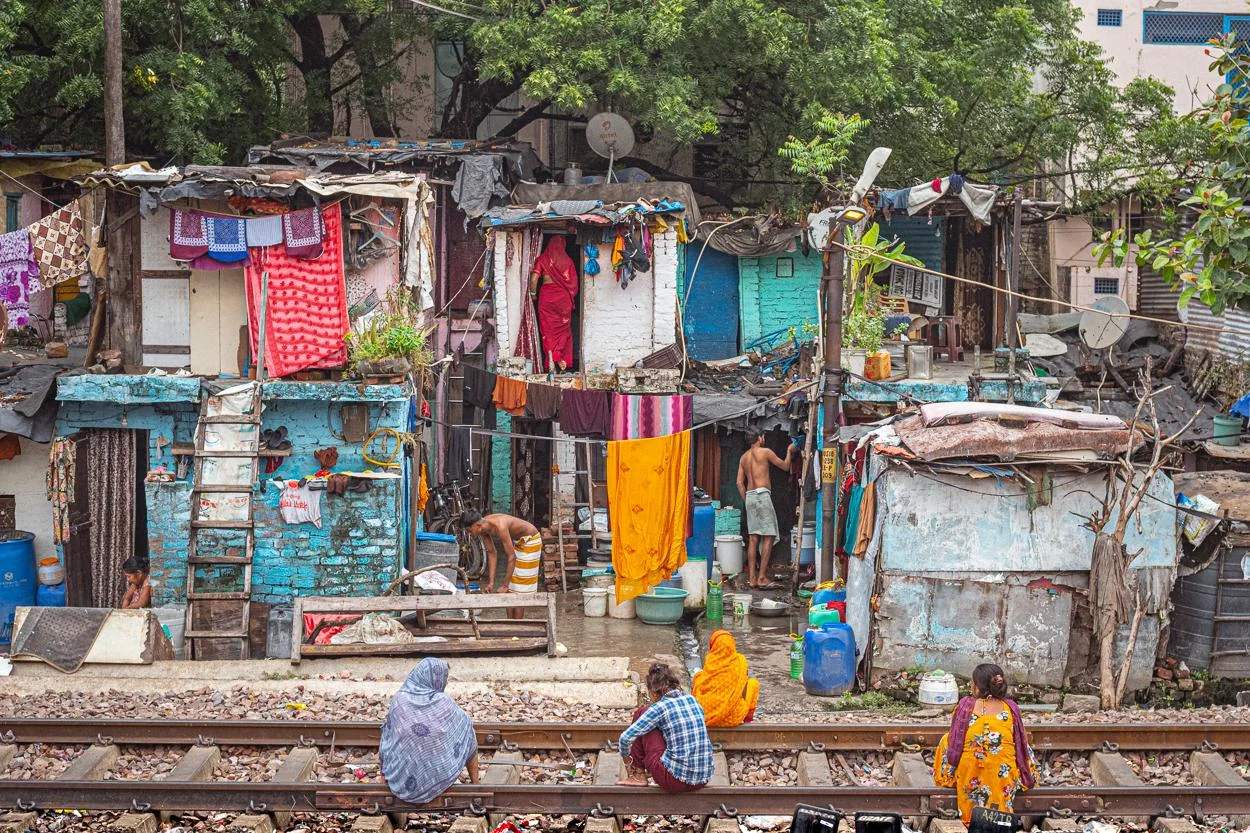
India has a strange way of making things you barely think about at home suddenly visible. Clean drinking water. A warm home. Education. Healthcare. Safety. A fridge with food in it. A bed. The ability to make plans for next month because you are reasonably certain tomorrow will look much like today.
Most of us rarely wake up feeling grateful that water comes out of the tap, that an ambulance will come if we need one, or that we had the chance to go to school. They are simply part of life. Until you are somewhere where, for millions of people, they are not. And when you see how radically different two lives can be simply because two people happened to be born in different places, it becomes difficult not to think about your own life differently.
Things you once called ordinary start looking a lot like privileges. The problems waiting for you at home will still be real. You may still complain about the weather, traffic, work and whatever else annoyed you before you left. But perhaps, somewhere underneath all of that, you return a little more aware of how much you already have. India can do that to you. It overwhelms you first. And then, sometimes, it leaves you grateful.
Where my family is from
We are celebrating in Delhi, but I belong to Punjab, the land of five rivers, a few hours to the north. It is the historic heartland of Sikhism, a place shaped by farming, migration, faith, resilience and a very strong sense of community. Family rarely means only the people you live with, it stretches across generations, villages and entire networks of relatives who somehow always know what is happening.
We will not be travelling up there together this time, but Punjab is behind much of what you will experience during the wedding. The music, dancing, food and many of the traditions are Punjabi.
The religion I was born into is Sikhism. We are about 2% of India's population — which, in a country of 1.4 billion people, still means a lot of turbans — and we have a particular talent for turning up almost everywhere. Roughly half of all Indians living outside India are Sikhs. There have even been years with more Sikhs in the Canadian parliament than in the Indian one. You will get a glimpse of Sikhism in Delhi too: Gurdwaras, turbans and langar kitchens.
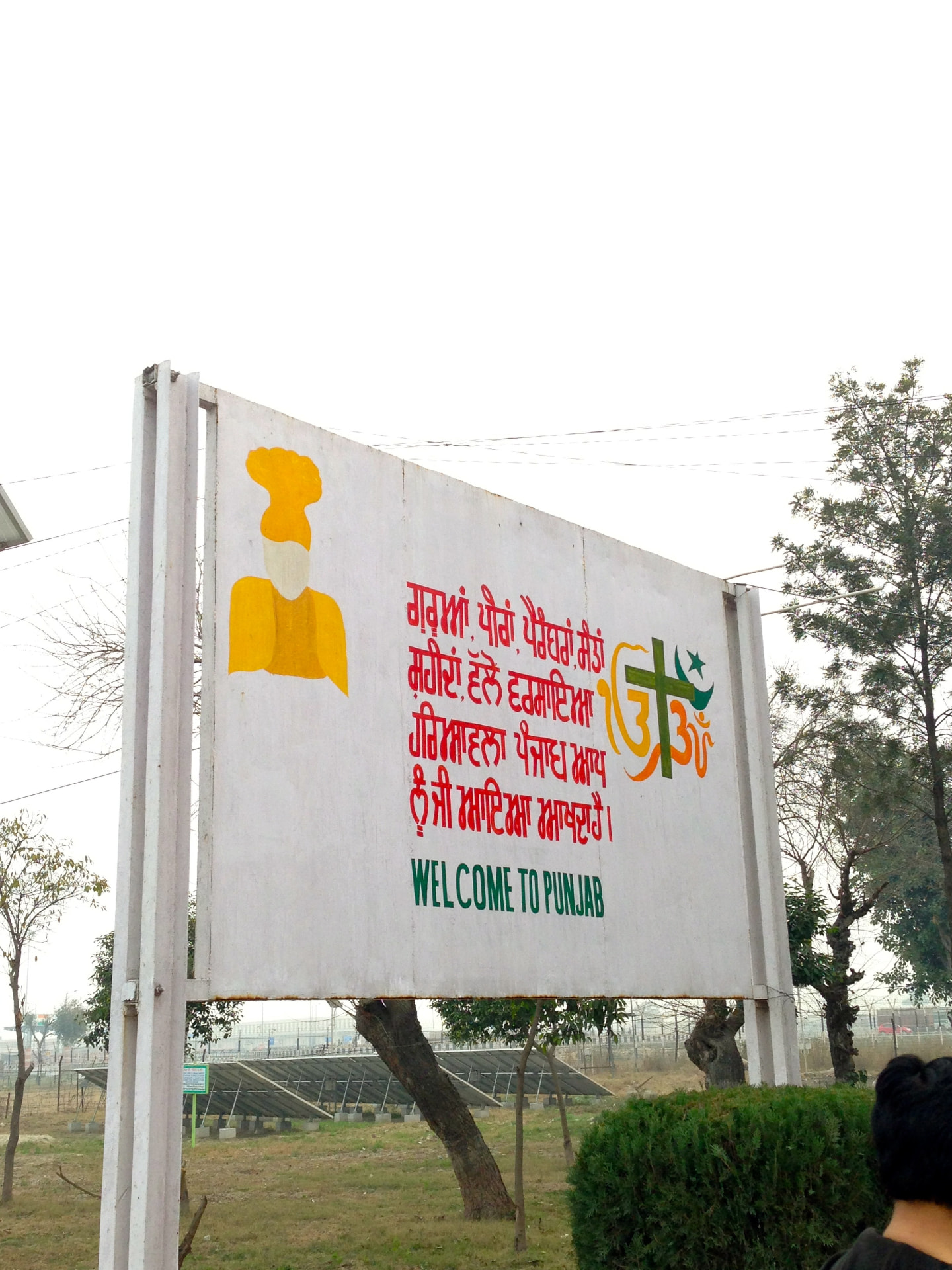
The sign reads: "Punjab — the land of Gurus, Pirs, Prophets, warriors, heroes, the brave and rivers — welcomes you."
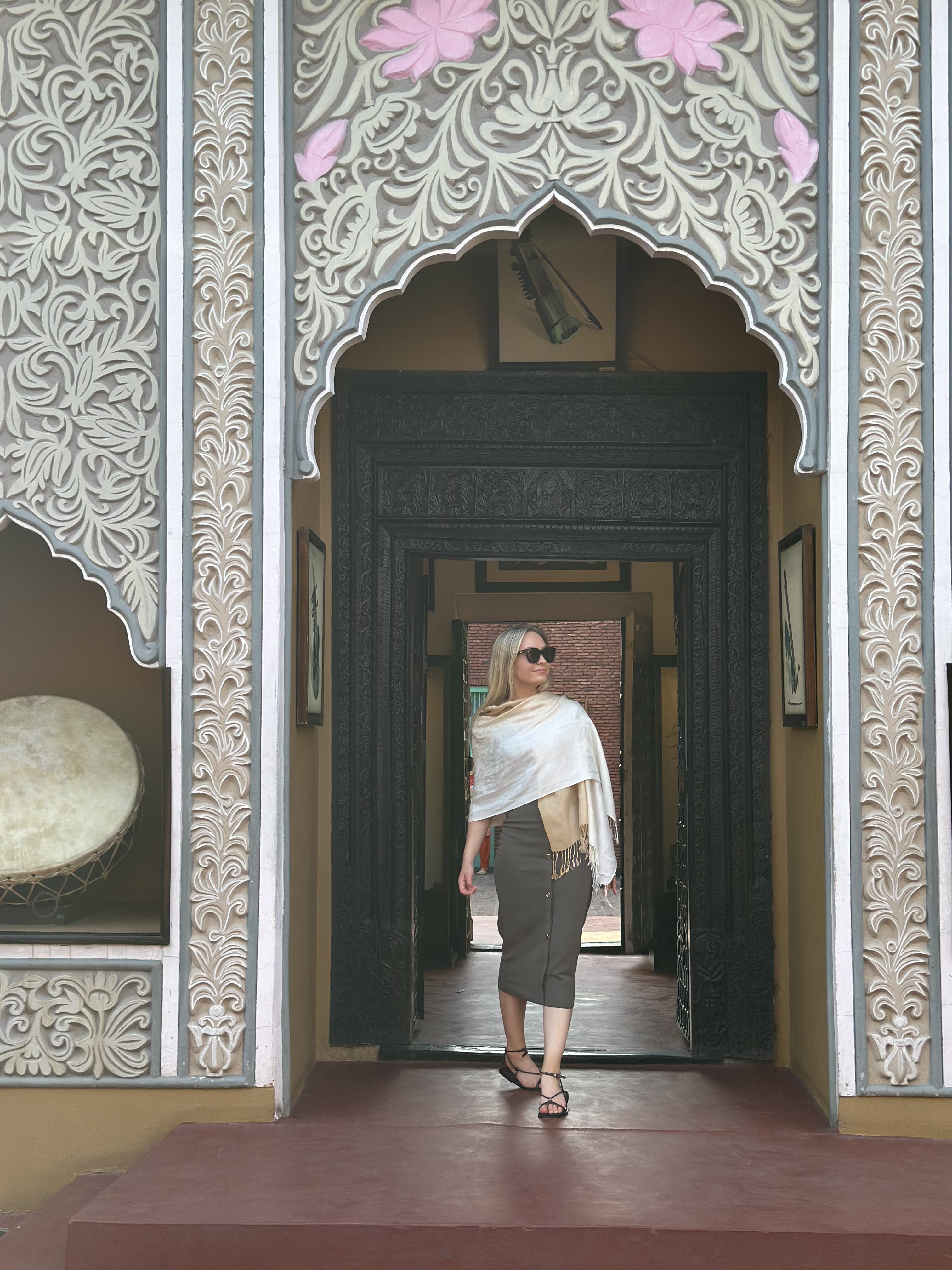
Big contrasts to hytten i Åsenfjorden
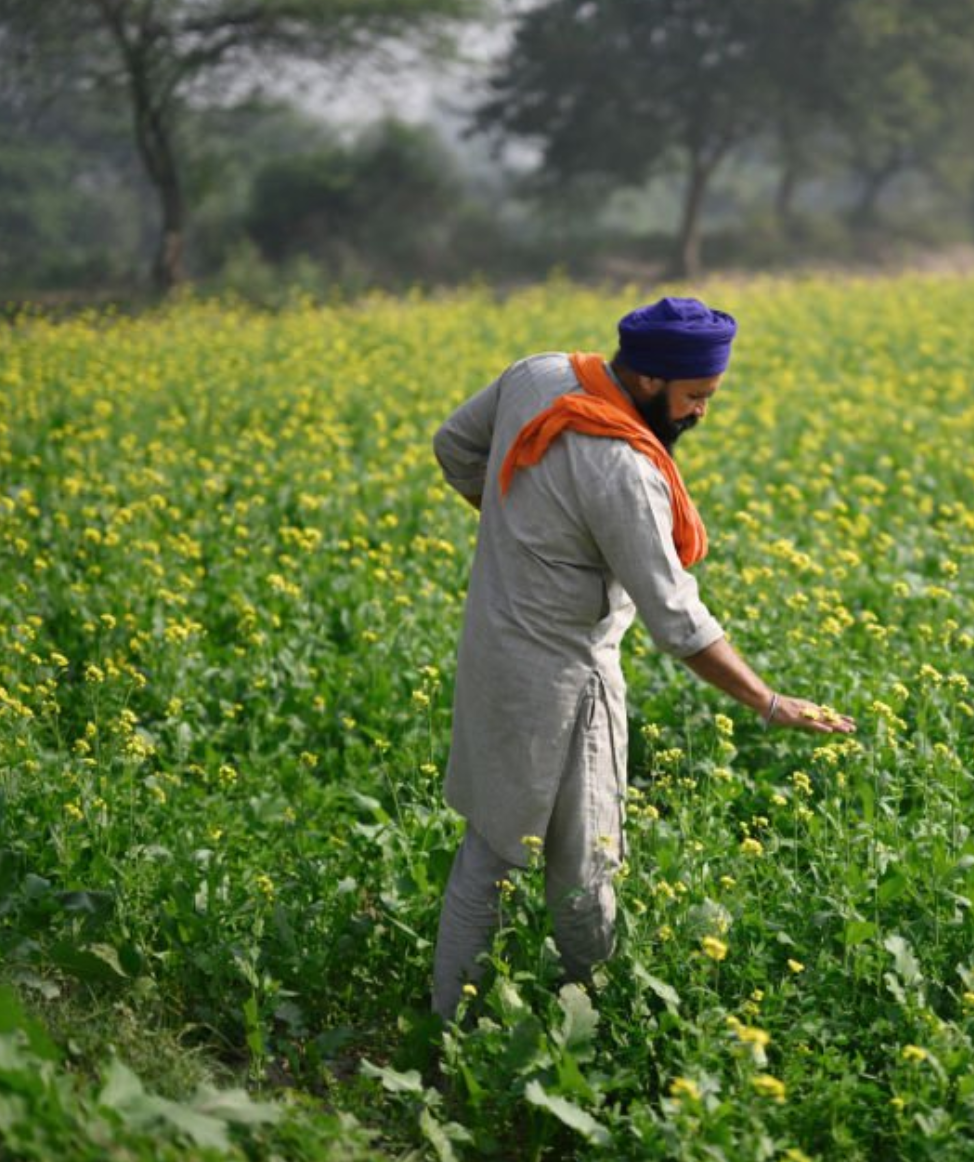
It produces a massive share of the country's staple food grains despite covering only about 1.5% of India's total land area.
A few habits make everything easier
All the boring-but-important things — visa, money, vaccines, etiquette, packing and travel advice — are on the Information page.
The very short version is simple: expect things to take time, drink sealed bottled water, be sensible with food, keep hand sanitiser nearby, use Uber or hotel cars rather than random taxis, keep an eye on your belongings, and remember that a confident “no, thank you” solves a surprising number of situations. And bring some patience. India can be loud, beautiful, frustrating, generous, chaotic, hilarious and completely unforgettable — sometimes within the same five minutes.
We hope you can come
We know that joining us means more than simply showing up. It means your time, your money, a long flight and, quite possibly, a slightly questionable decision to spend several days in India with us.
And if life, distance or timing gets in the way, we completely understand. There will always be another table, another evening and another glass waiting to be raised together — hopefully somewhere requiring a slightly shorter flight.
We cannot wait to show you our India.