4 — 6 . 03 . 2027 · New Delhi

Program & ceremonies

Three days, event by event — the time, the place, what to wear, and what each ritual actually means. Exact timings and venues may still change, and more information will follow as we get closer.

Wednesday · 3 March 2027

Informal get-together

For everyone flying in early, we will have a small, very informal get-together with some drinks. Place and time to be announced.

Day One · Colour & henna

Thursday · 4 March 2027

01
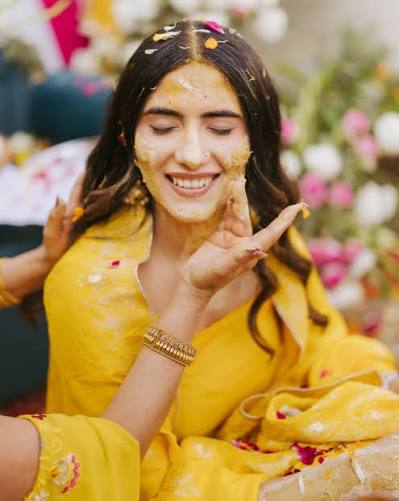
A smiling woman in a yellow suit with turmeric paste on her face during Haldi
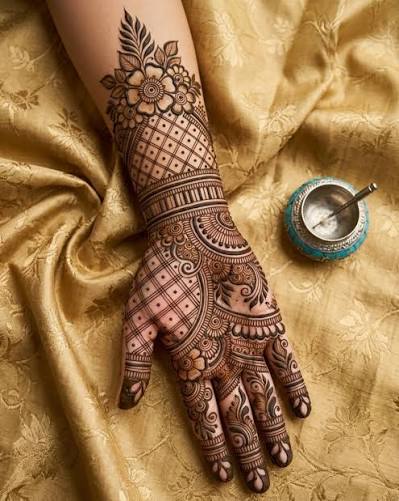
Intricate bridal henna covering a hand, resting on gold silk
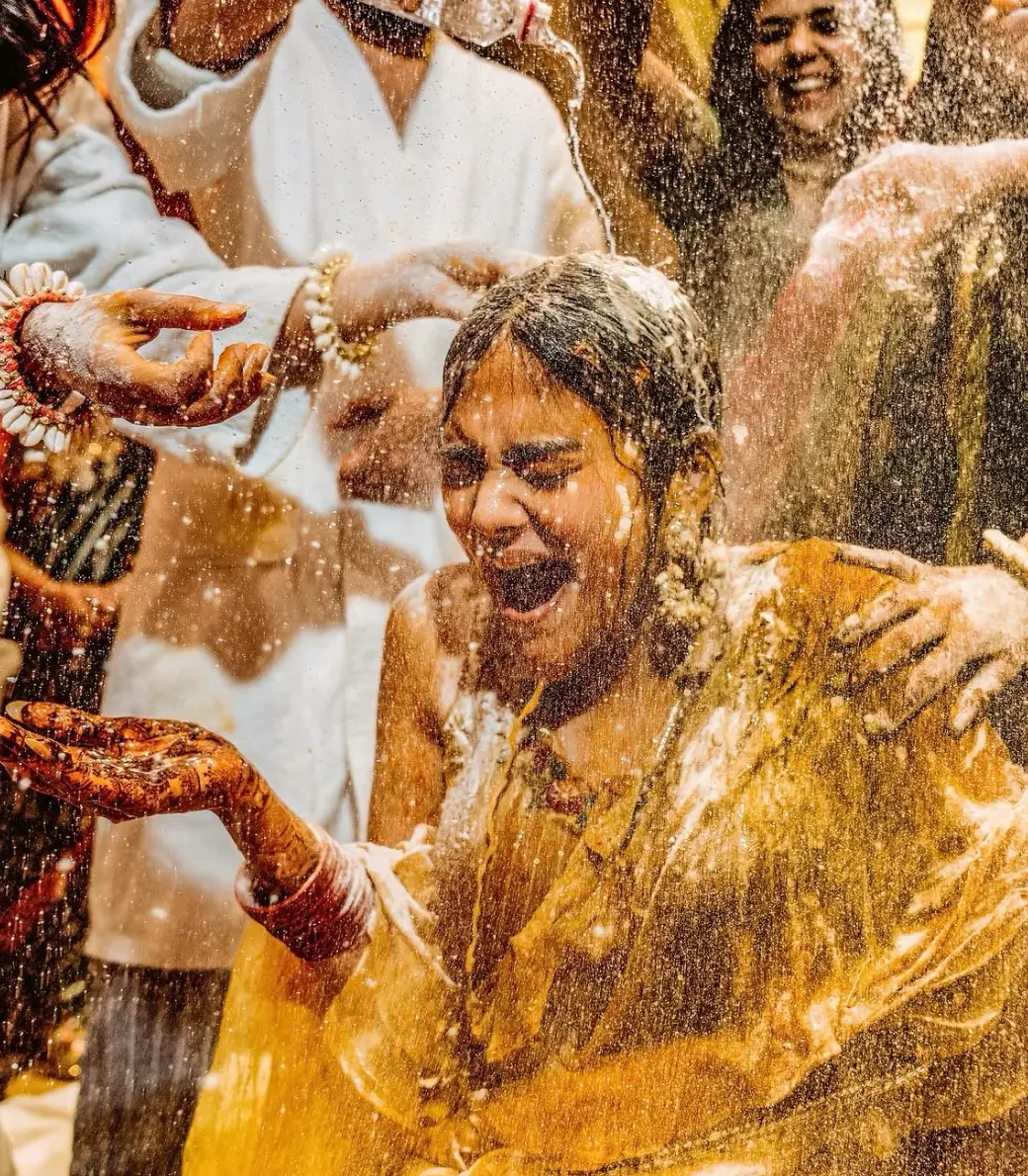
A laughing bride being showered with turmeric water during Haldi
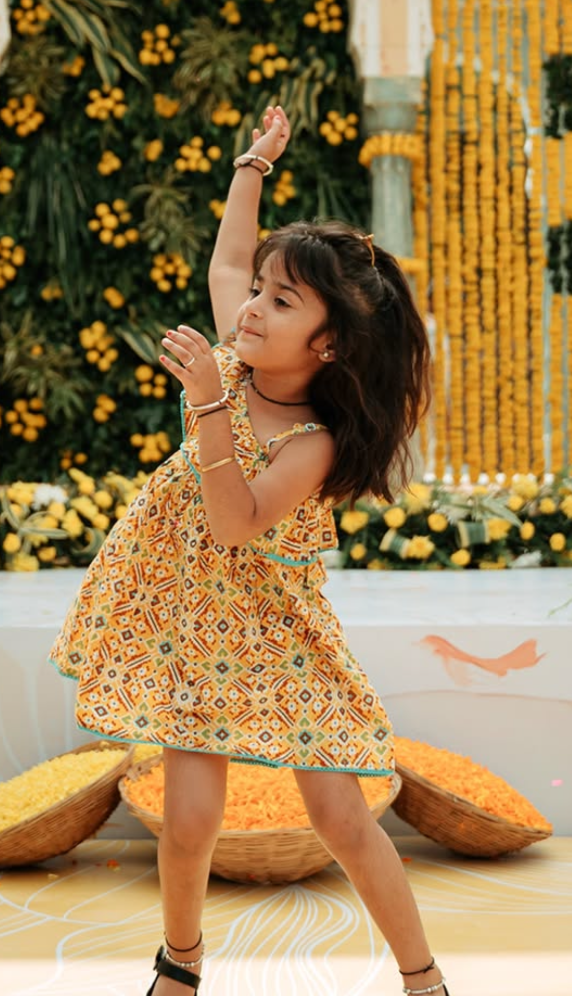
A little girl dancing in front of marigold flowers at a Punjabi celebration

Mehndi, Maiyan & Haldi

Date
Thursday · 4 March 2027
Time
13:00 – 18:00
Venue
Tivoli Bijwasan — 4B, Main Rd, opp. Petrol Pump, Kapashera Extn, Pushpanjali Farms, New Delhi, Delhi 110061, India

About 15–20 minutes by car from Aerocity

Dress code
Men
Wear whatever you feel good in, as long as it's colourful — a kurta pyjama, or a light shirt in yellow or white with linen trousers. Comfort first
Women
Colourful dresses, a floral dress, white jeans with a yellow top, or Indian clothes like a lehenga or saree — whatever you like. Yellow, orange and pink are the classic colours, and bright is very much allowed
Dress code & outfit inspiration →
What it means

Three old Punjabi rituals rolled into one long, joyful afternoon. None of them are solemn — they are the family's way of preparing the couple for the wedding, and guests are part of all of it.

Maiyan — the opening. The bride and groom are seated on a low stool, and the elders take turns rubbing a little oil into their hair and touching their forehead with a blessing. It is the moment the wedding officially begins.

Haldi — the turmeric. A bright yellow paste of turmeric, sandalwood and rosewater is smeared on the couple by everyone who loves them. Turmeric is the old Punjabi cure-all: it makes the skin glow, and yellow is the colour of good fortune and new beginnings. Expect to get joyfully messy — that is the point, and nobody stays clean.

Mehndi — the henna. An artist draws fine henna patterns on the bride's hands and feet, and on any guest who wants them (it washes off in a week or two, and it is not a tattoo). The dye cools the skin and is said to carry luck; tradition says the darker the stain, the deeper the love — and that the bride does no housework until the henna fades.

Sangeet, in a way: there will be dhol, folk songs and dancing woven through the whole afternoon. Nothing is rehearsed, so just join in.
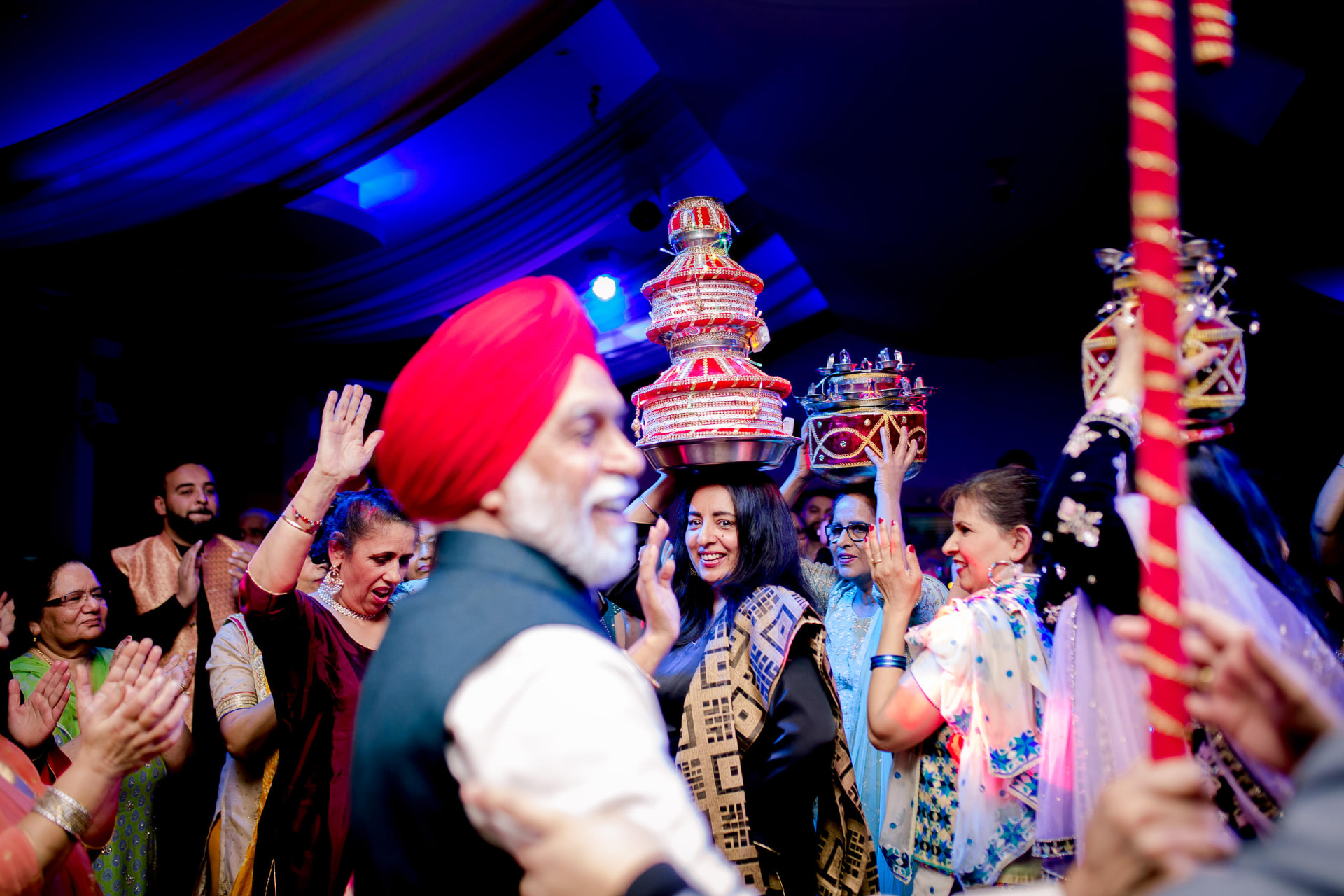
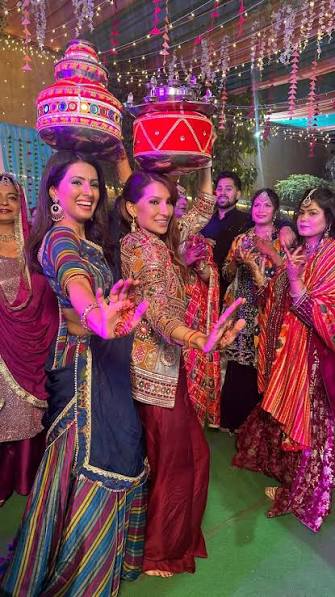
Women carrying decorated Jaggo pots on their heads through a cheering crowd
Women in bright Punjabi outfits dancing with lit Jaggo pots balanced on their heads
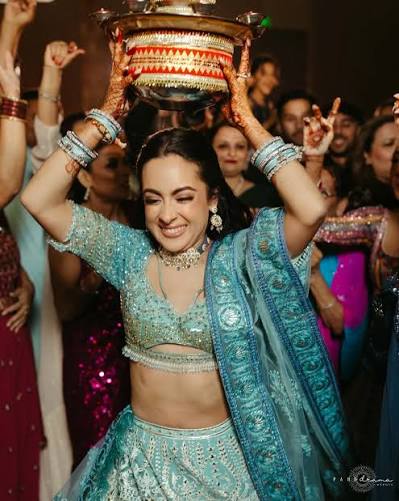
A bride in a pale blue lehenga holding a decorated Jaggo pot above her head
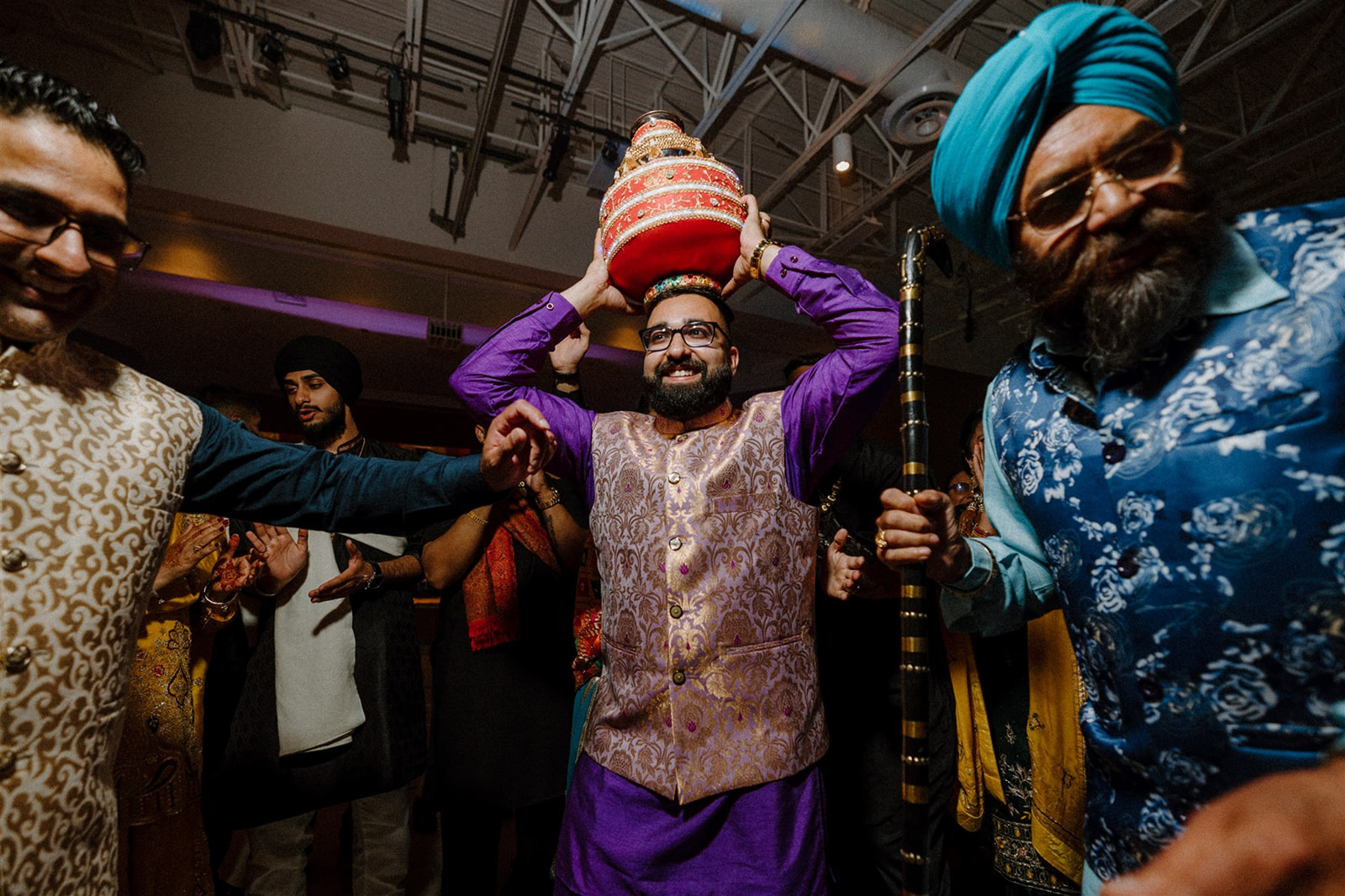
A man in a purple kurta balancing a red Jaggo pot on his head while the family dances around him
A bride in red with gold jewellery, henna and novelty sunglasses laughing at a Jaggo celebration

Jaggo

Date
Thursday · 4 March 2027
Time
18:00 – 22:00
Venue
Tivoli Bijwasan — 4B, Main Rd, opp. Petrol Pump, Kapashera Extn, Pushpanjali Farms, New Delhi, Delhi 110061, India

About 15–20 minutes by car from Aerocity

Dress code

Same outfit as the afternoon — just bring shoes you can dance in.

Dress code & outfit inspiration →
What it means

Jaggo means, literally, 'wake up!' In Punjab, the family parade with copper pots covered in lit oil lamps balanced on their heads, banging sticks, singing folk songs and waking the neighbourhood to announce that a wedding is here.

It is loud, joyful and one of the most Punjabi things you will ever witness. Live dhol, late dinner, dancing.

Drinks: there is a bar at Jaggo, so this is one of the two evenings where alcohol is served.

Day Two · The ceremony

Friday · 5 March 2027

02
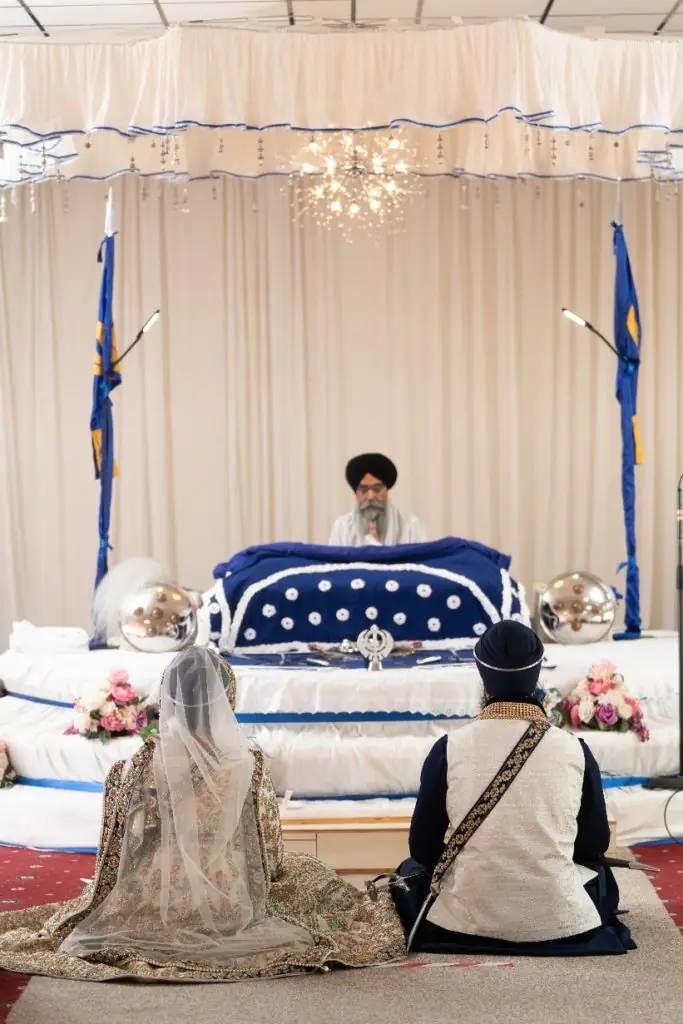
A bride and groom seated before the Guru Granth Sahib during an Anand Karaj
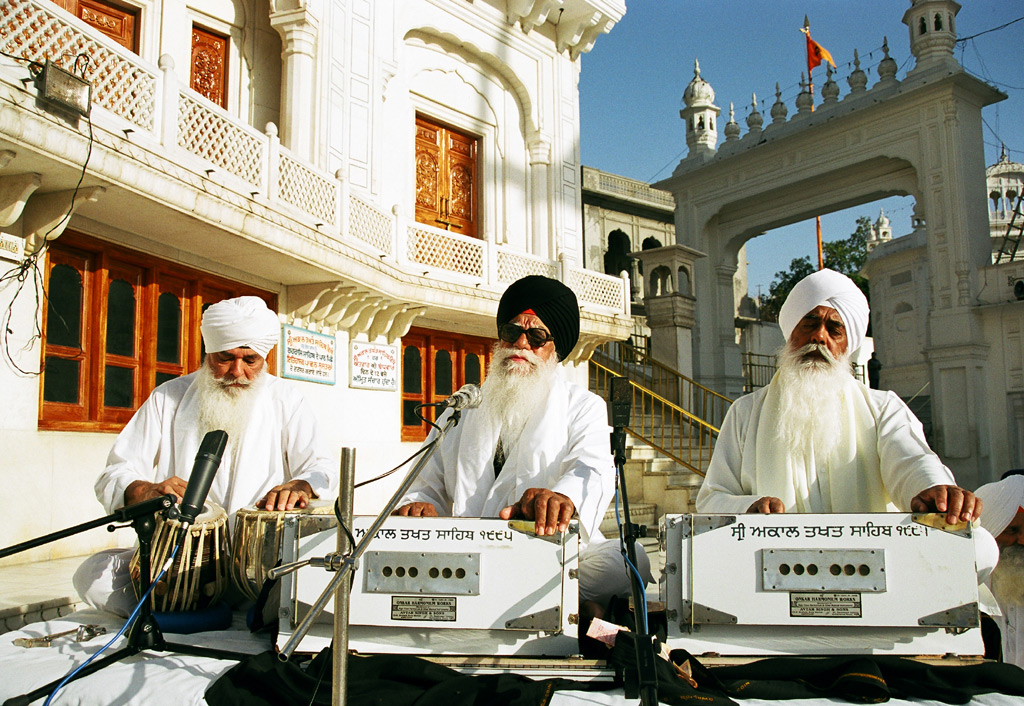
Ragi musicians playing harmonium and tabla outside a Gurudwara
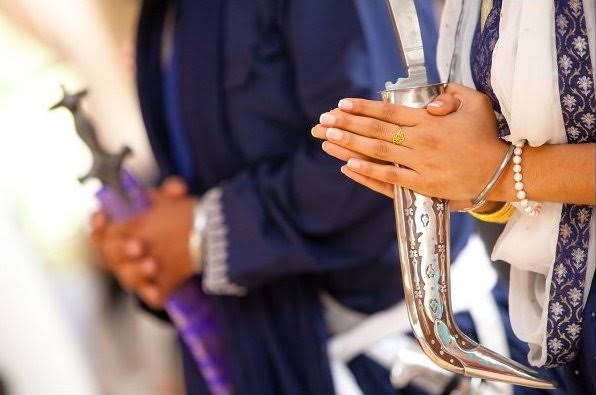
Guests holding kirpans with folded hands during a Sikh ceremony
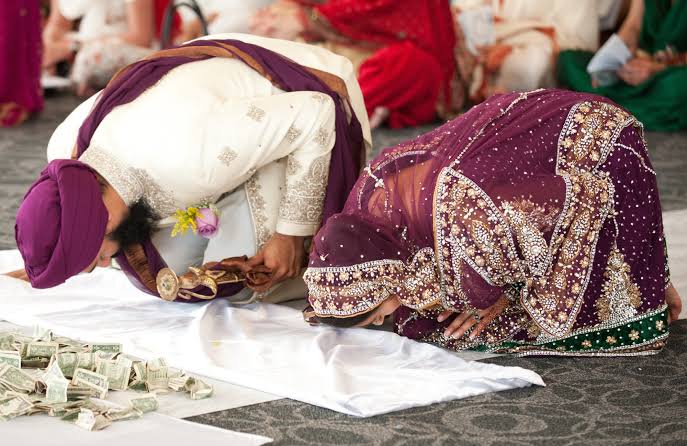
A couple bowing together in front of the scripture during the Anand Karaj
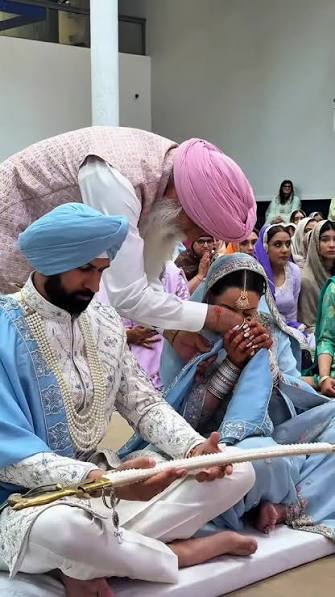
An elder blessing the bride during a Sikh wedding ceremony

Anand Karaj — the Sikh wedding ceremony

Date
Friday · 5 March 2027
Time
10:00 – 12:00
Venue
Sri Guru Singh Sabha Gurudwara, DLF Phase 1 — 1501–1502, Block H, DLF Phase 1, Sector 26, Gurugram, Haryana 122002, India
Dress code
Men
A suit and shirt — a tie is normal here — or Indian clothes like a kurta pyjama. No shorts
Women
Saree, salwar kameez, a suit or a long dress — shoulders and arms covered, nothing low-cut, and legs covered down to the ankle. No bare shoulders, short dresses or skirts above the ankle inside the Gurudwara

Everyone covers their head inside the Gurudwara: men are given a scarf to tie, women a light veil / scarf / chunni. Shoes come off at the entrance. If your outfit is sleeveless, bring a shawl or scarf to cover shoulders and legs. At the wedding lunch afterwards you keep the same outfit, but heads uncovered and shoes back on — the covering is only for the Gurudwara.

Dress code & outfit inspiration →
What it means

Anand Karaj means blissful union. It is the Sikh marriage ceremony and the spiritual heart of our wedding. If you come from a Western background, think of it as the equivalent of a church wedding.

A quick note on Sikhism: it is a monotheistic faith founded in Punjab in the 15th century by Guru Nanak, built on three simple ideas, remember God, earn an honest living, and share with others.

It takes place in a Gurdwara, the Sikh place of worship, a place built around faith, community, equality and service. Anyone is welcome. Everyone sits together. Everyone is fed. Through langar, the free communal meal, rich and poor, Sikh and non-Sikh share the same floor.

The ceremony may feel unfamiliar. There will be live kirtan, devotional singing in Punjabi, heads will be covered, and everyone will sit on the floor. You probably will not understand much/anything of what is being sung. That is completely fine. There is nothing to memorise and no secret choreography. Sit, listen and take it in.

At the centre of the Gurdwara is the Guru Granth Sahib Ji, the Sikh scripture and eternal Guru. During the wedding, four hymns called the Laavan are sung. After each one, we walk around the Sikh scripture together. The four rounds move through commitment, longing, letting go of ego, and finally harmony. On the surface, it is four circles. Underneath, it is two lives choosing to move through the world in the same direction.

You will see us connected by the palla, a long scarf placed between us by Viktoria's father, a simple thread joining two people, two families and, traditionally, two lineages.

And yes, Simerjit will be carrying a sword. The kirpan represents the duty to protect others, stand against injustice and use strength with responsibility.

One Sikh idea sits quietly beneath all of this: chardi kala, an ever-rising spirit. It is the belief that whatever life brings, you meet it with courage, gratitude and an optimism that refuses to disappear.

The ceremony ends with ardas, a standing prayer, followed by karah parshad, a warm sweet offering given equally to everyone. Take it with both hands and eat it.

A few practical things: cover your head, remove your shoes, wash your hands, and avoid pointing your feet towards the Guru Granth Sahib. There is no alcohol, tobacco or meat inside the Gurdwara. Most importantly, do not worry about getting everything right. Just be present.

Wedding lunch

Date
Friday · 5 March 2027
Time
13:30 – 17:00
Venue
The Roseate — National Highway 8, D Block, Samalka, New Delhi, Delhi 110097, India

About 15 minutes by car from Aerocity

Dress code

Same outfit as the ceremony.

Dress code & outfit inspiration →
What it means

A simple vegeterian lunch after the Anand Karaj — a chance to sit down and eat with the whole family. Out of respect for the ceremony that morning, no alcohol is served at the lunch; soft drinks, chai and lassi all day.

Please note: this is The Roseate on National Highway 8 — not Roseate House in Aerocity, where many of you will be staying. Two different hotels, about 15 minutes apart.

Once lunch winds down, the rest of Friday is yours. Rest at the hotel before Saturday, or head into Delhi — our Recommendations page has restaurants, sights and shopping ideas.

See our Delhi recommendations →
Day Three · The celebration

Saturday · 6 March 2027

03
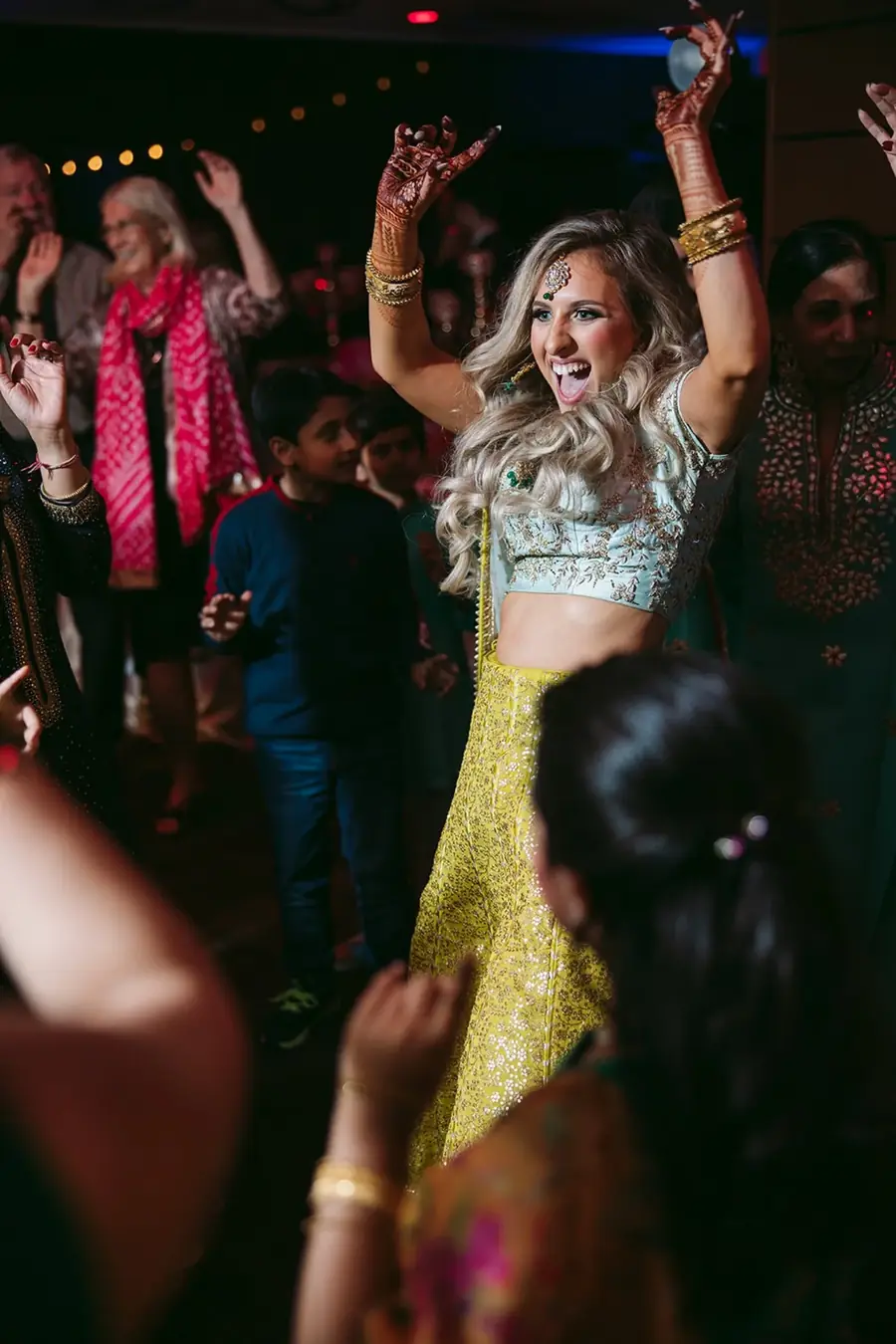
A bride in a yellow lehenga dancing with guests at a wedding reception
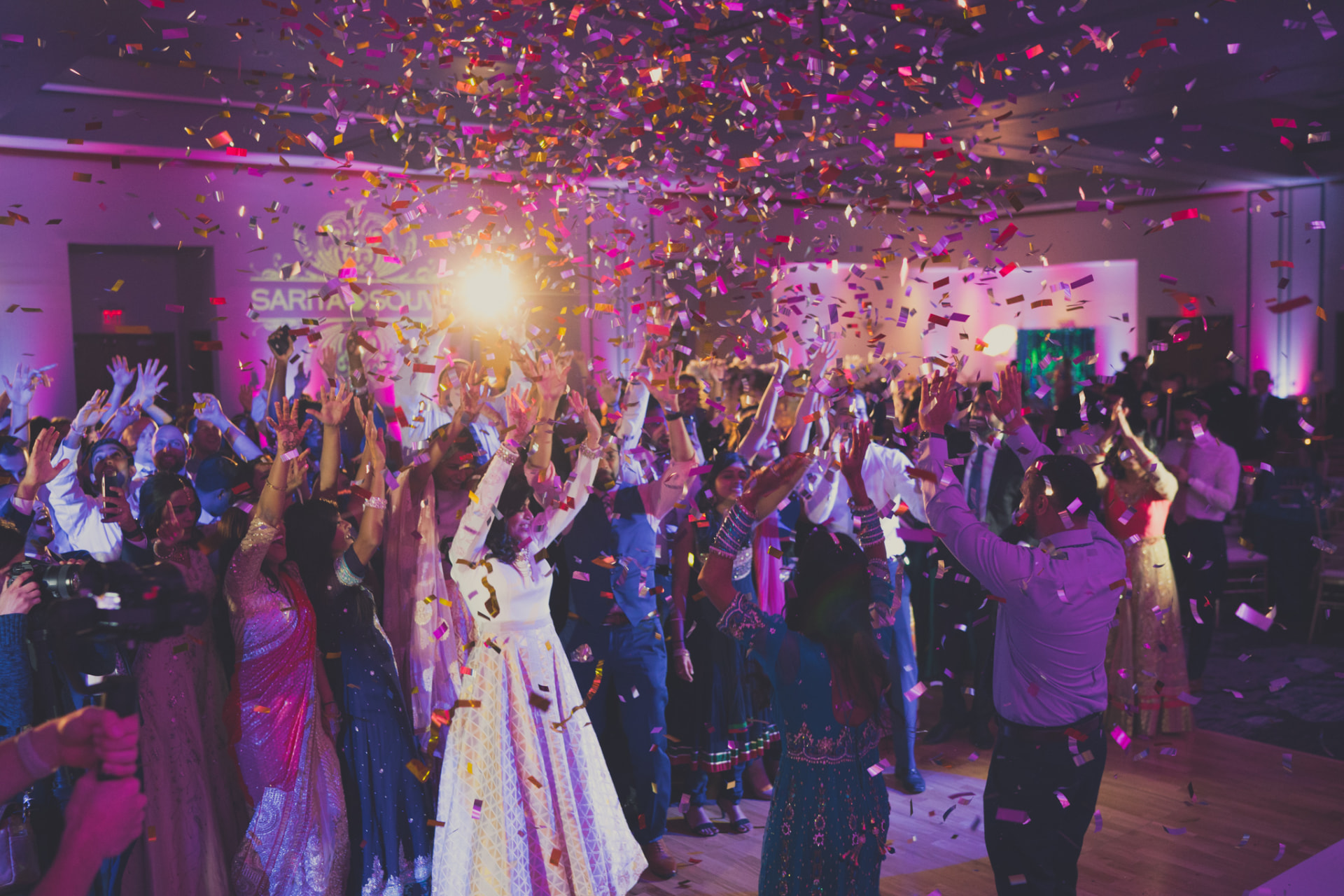
Guests with their arms in the air under a shower of confetti at a wedding reception
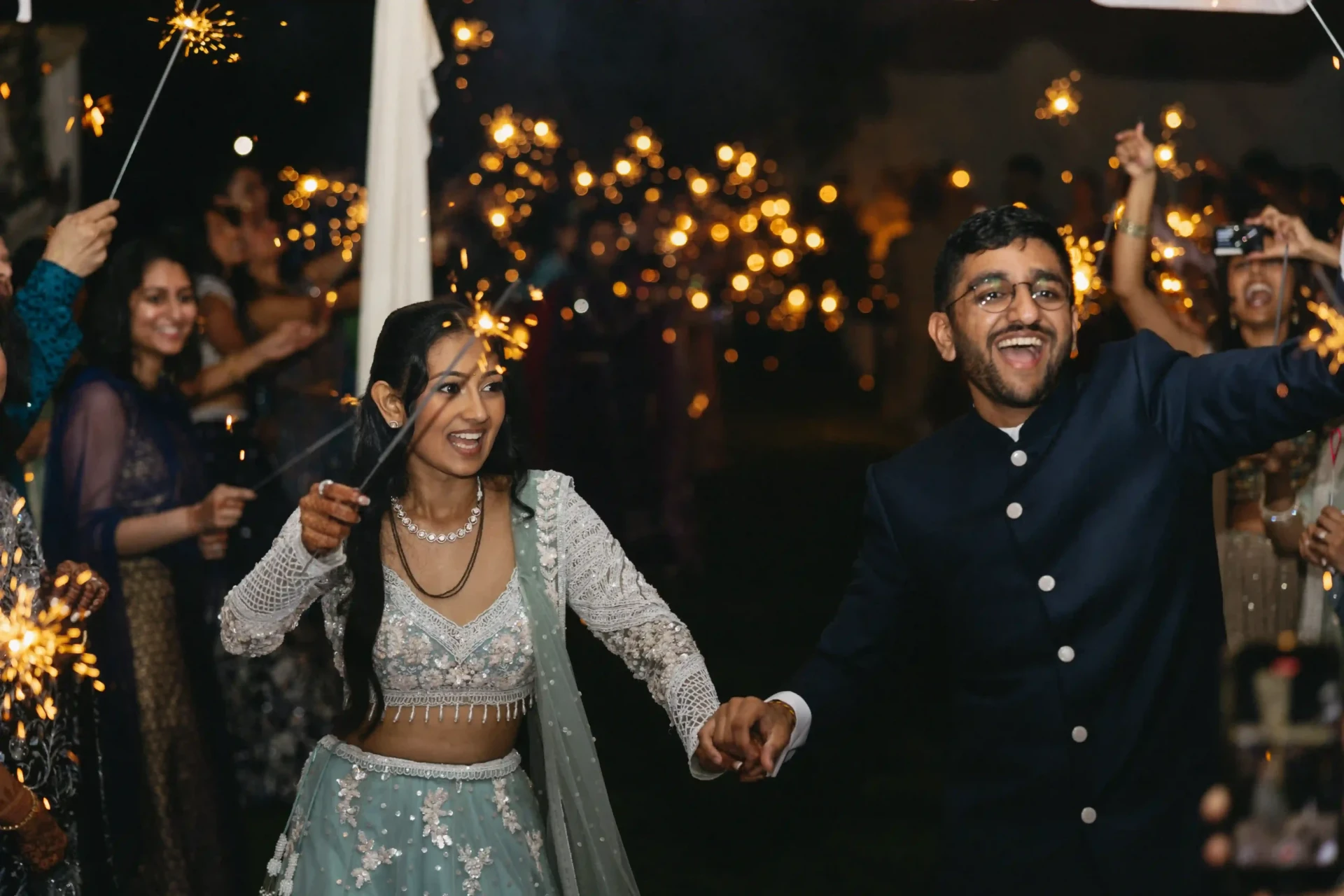
A couple walking hand in hand through a tunnel of sparklers
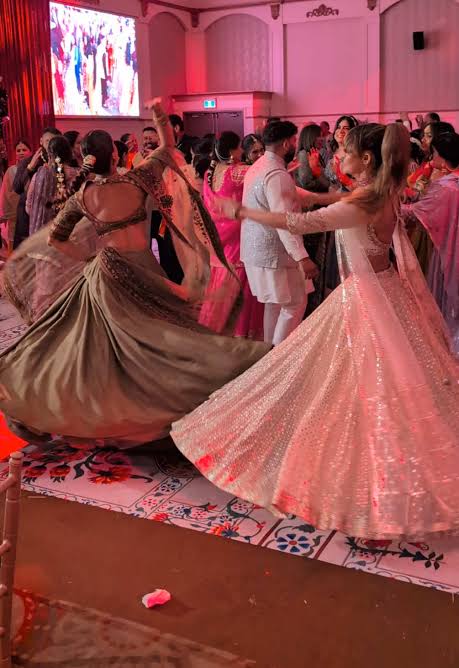
Two guests twirling in lehengas on the dance floor
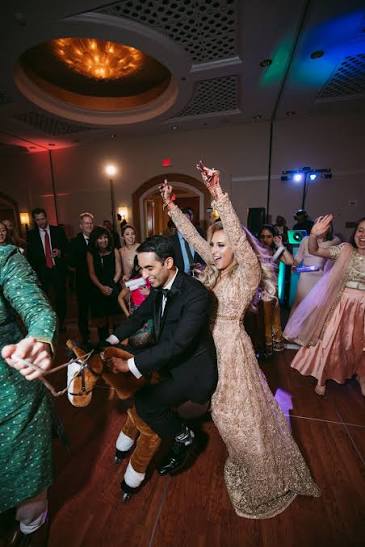
A couple dancing in black tie and a gold gown at a wedding reception

Reception — the fun evening

Date
Saturday · 6 March 2027
Time
16:00 – 01:00
Venue
TBA — place and address to come
Dress code
Men
Black tie — a dinner jacket or a dark suit. Simerjit will wear a smoking
Women
A gown, lehenga, saree or whatever you like best. There is no such thing as too much glitter or too much jewellery at an Indian reception
Dress code & outfit inspiration →
What it means

The big one. Dinner, drinks, music and the dance floor open until it gives out — a dhol player, and the whole wedding party in one room. No speeches, no program, just a long, joyful night of celebrating together.

On time, Indian time

A friendly warning: Indian weddings run on their own clock. Things start later than printed, events stretch, and nobody minds. So please don't stress if you're a little late — you will almost certainly not be the last one in the room. The one exception is the Anand Karaj: that begins on time and you can't walk in mid-ceremony.

Getting between events

Most guests will stay in Aerocity, around 15–20 minutes from each venue. See Getting around below for how to travel.

Getting around

To the venues

From Aerocity it's roughly 15–20 minutes to each venue — hopefully you won't have to experience Delhi traffic at its worst. In this order:

  1. 01

    Uber

    Download it before you land. Fixed price, card payment, no haggling.

  2. 02

    Hotel taxi

    Ask reception. Costs a bit more, but reliable — and the driver waits.

  3. 03

    Driver for the day

    Best for several stops. Prices start around ₹6,000 (≈600 kr) for a decent car. Your hotel can arrange it.

If you plan to travel around,

RSVP