

Dress code
In short
- Day 2 · 5 March
- Anand Karaj — soft colours and a scarf to cover your head →
- Day 3 · 6 March
- Reception — black tie, your finest evening wear →
- Indian or western
- Both are equally welcome, every day
Three days, three moods. Western and Indian clothes are equally welcome — wear whichever makes you feel wonderful. If you'd like Indian clothes, you can buy them in Delhi for a fraction of European prices.
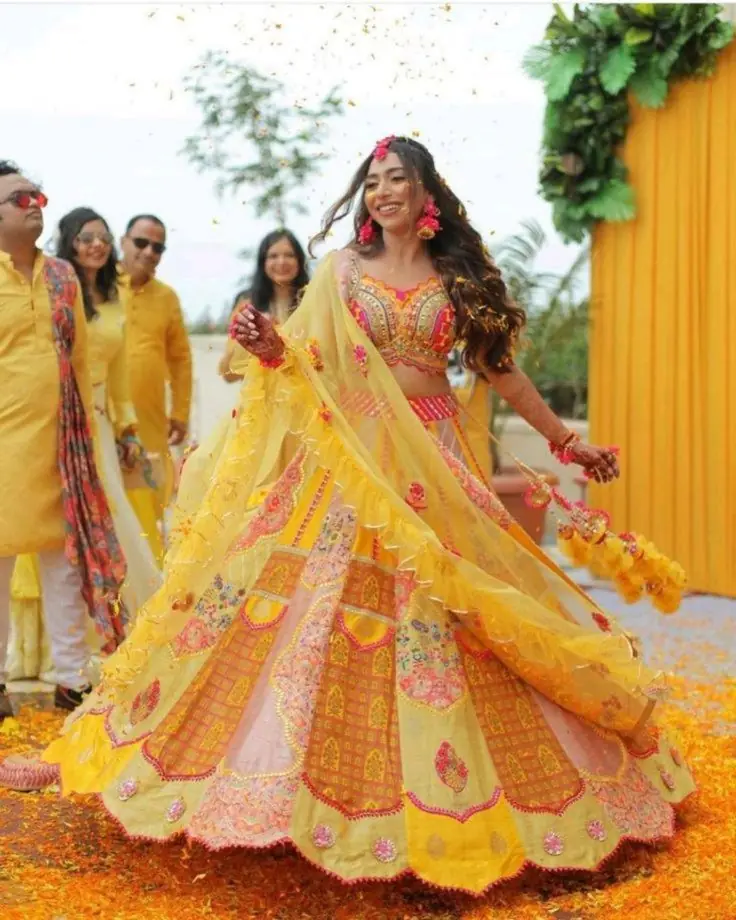
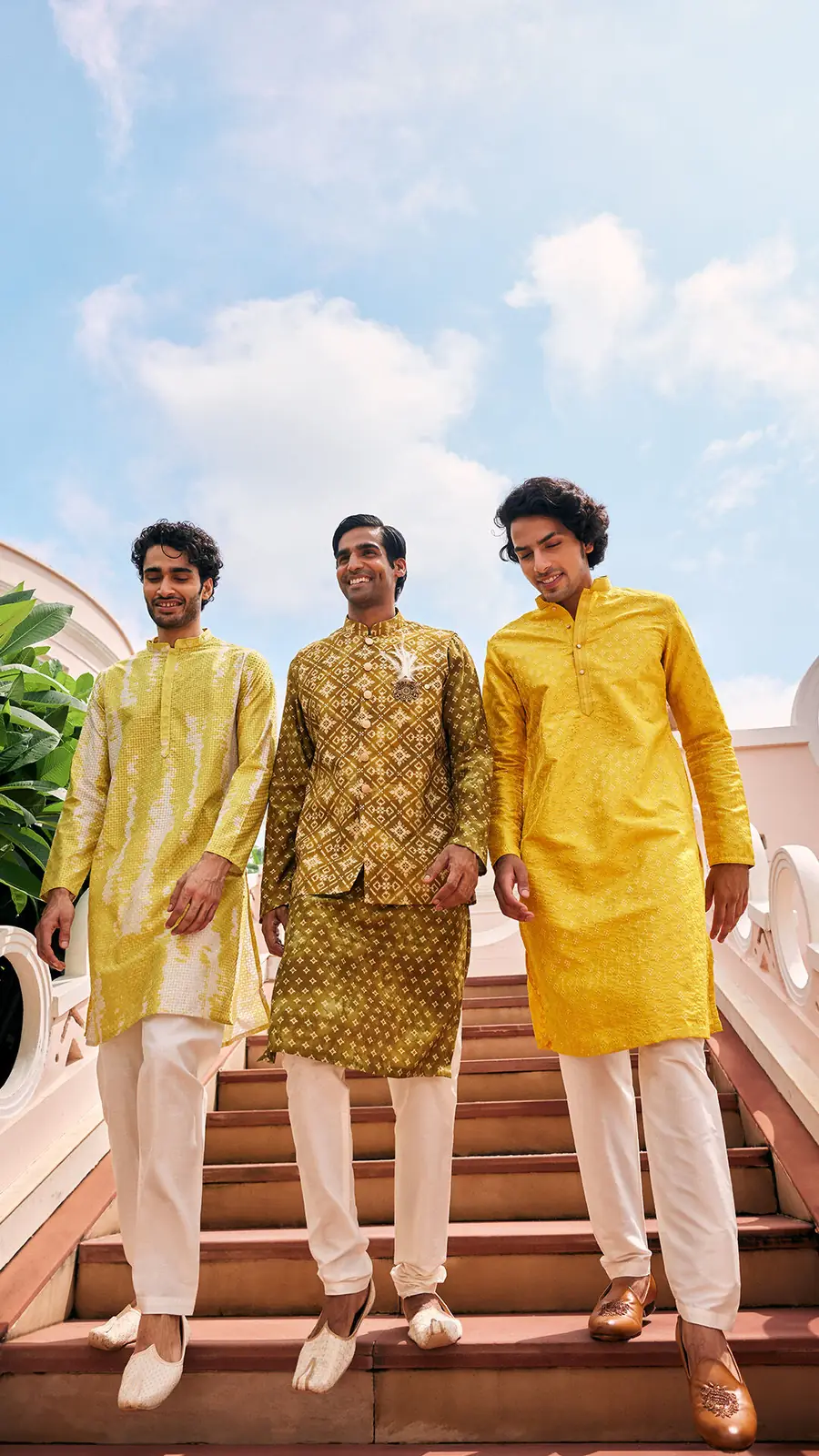
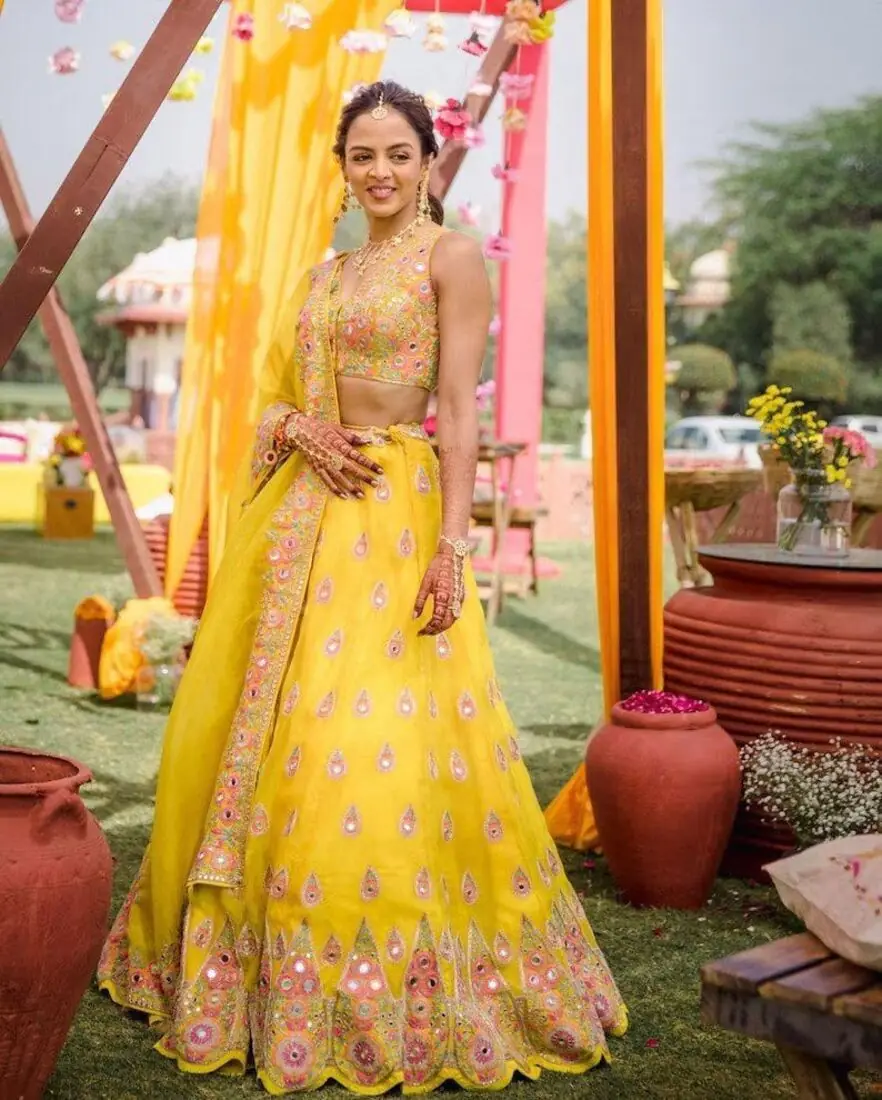
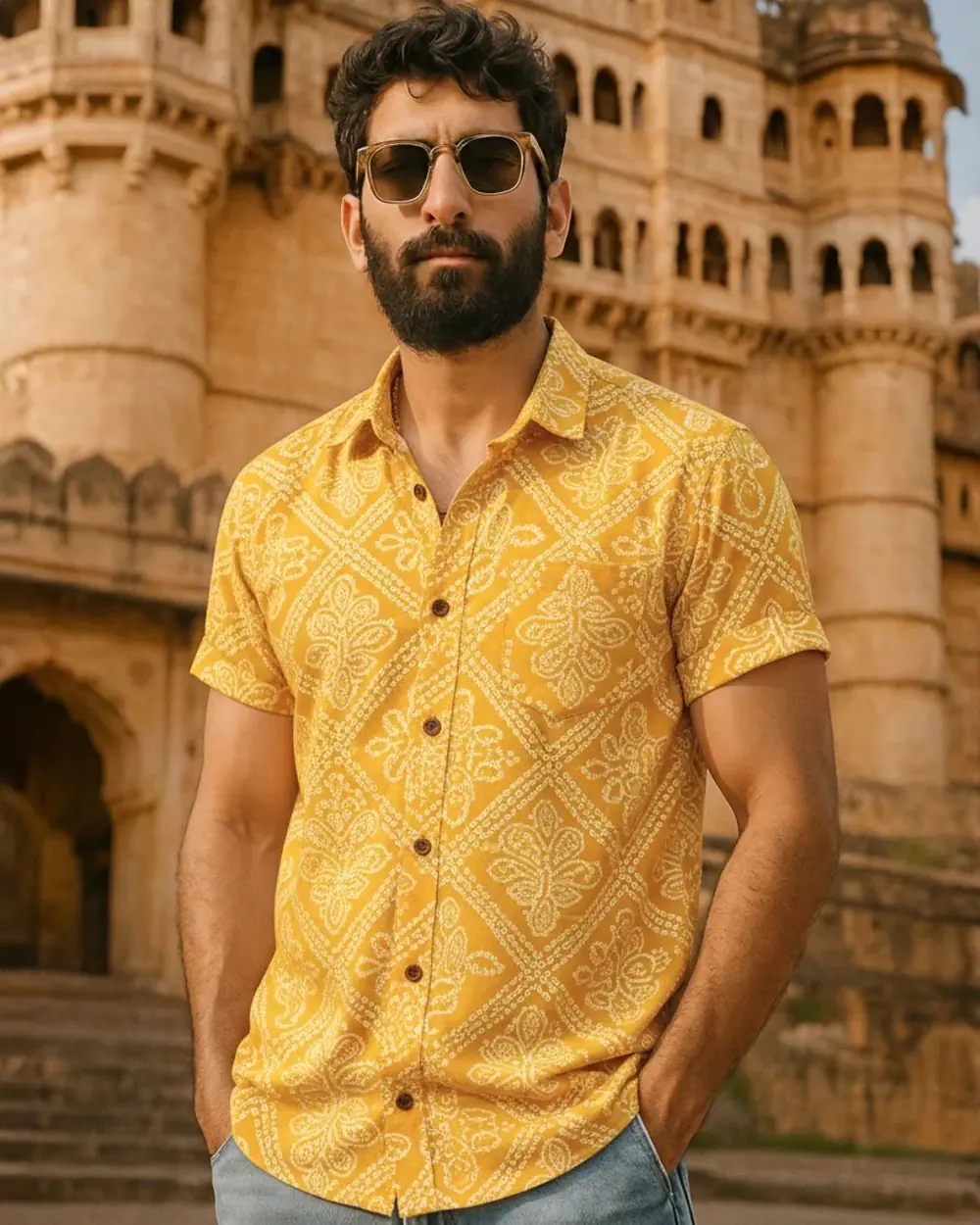
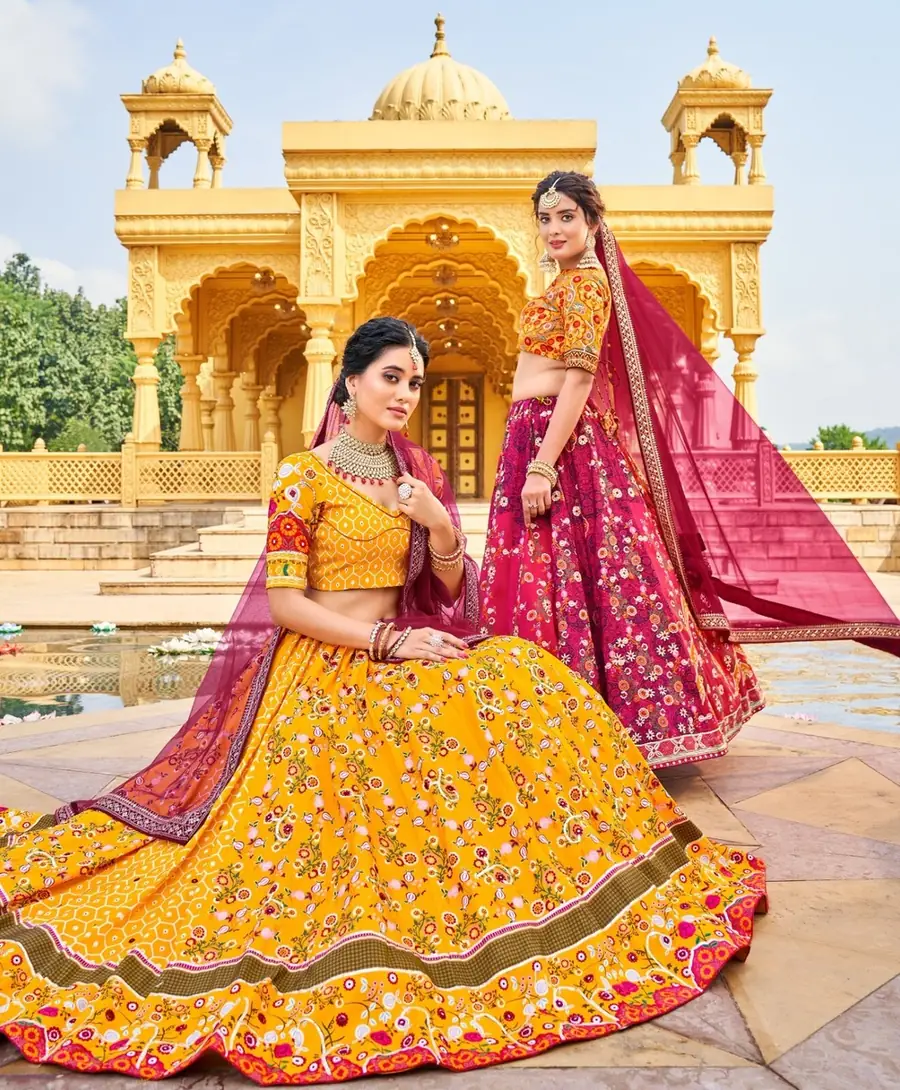
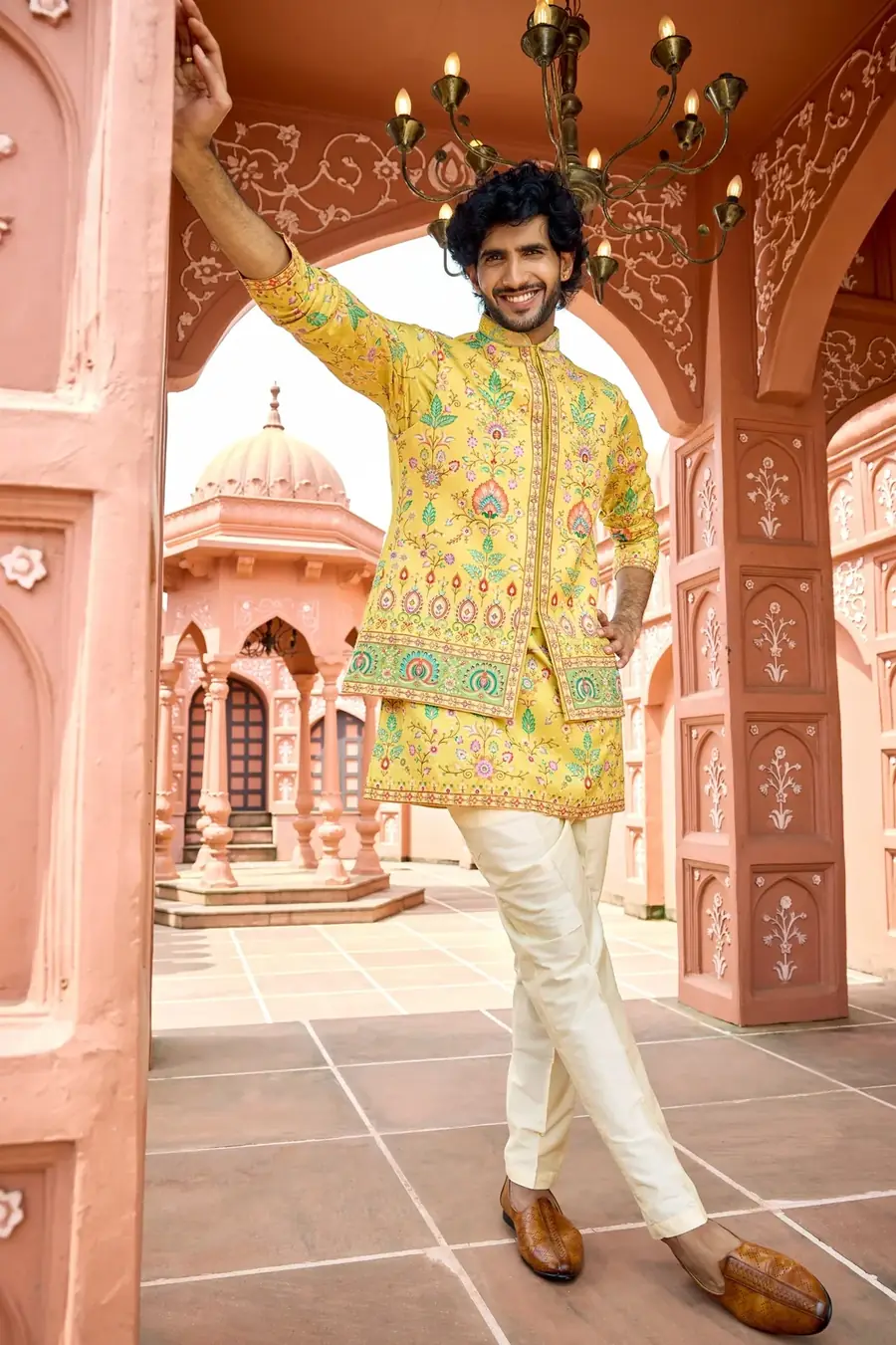
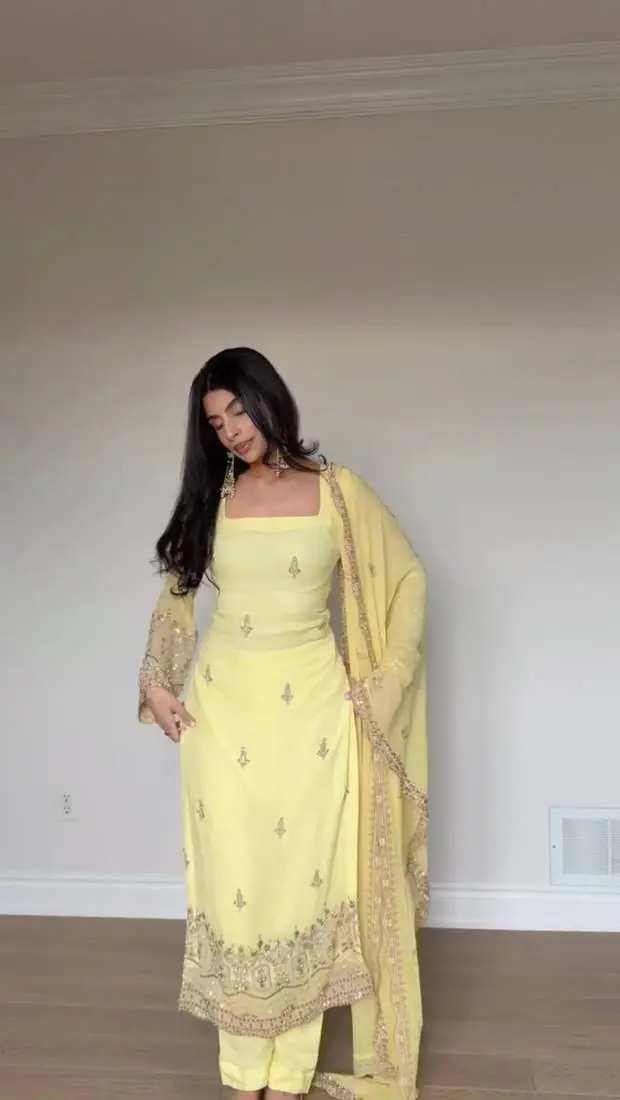
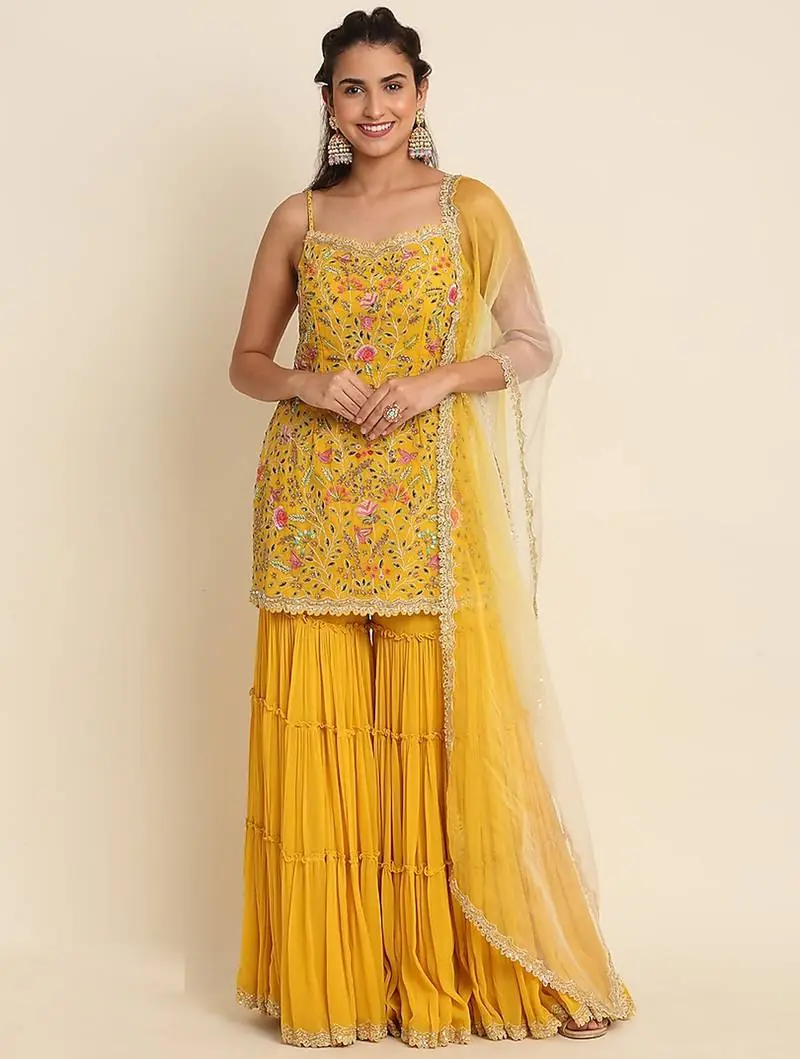
The most colourful day of the three. Think yellow, orange and pink — bright is very much allowed. It's a long, warm, slightly messy day that turns into dancing at night, so choose something comfortable and bring shoes you can move in.
Women
Colourful or floral dresses, white jeans with a yellow top, or Indian clothes like a lehenga, sharara or saree — whatever you like best. Turmeric paste stains, so nothing you'd cry over.
Men
A kurta pyjama, or a light shirt in yellow or white with linen trousers. Comfort first, colour a close second.
Because we are holding Mehndi, Maiyan, Haldi and Jaggo on the same day and in the same place, you do not need to change clothes at any point — wear one colourful outfit you love and keep it on from the afternoon all the way into the dancing.
Western or Indian — both welcome
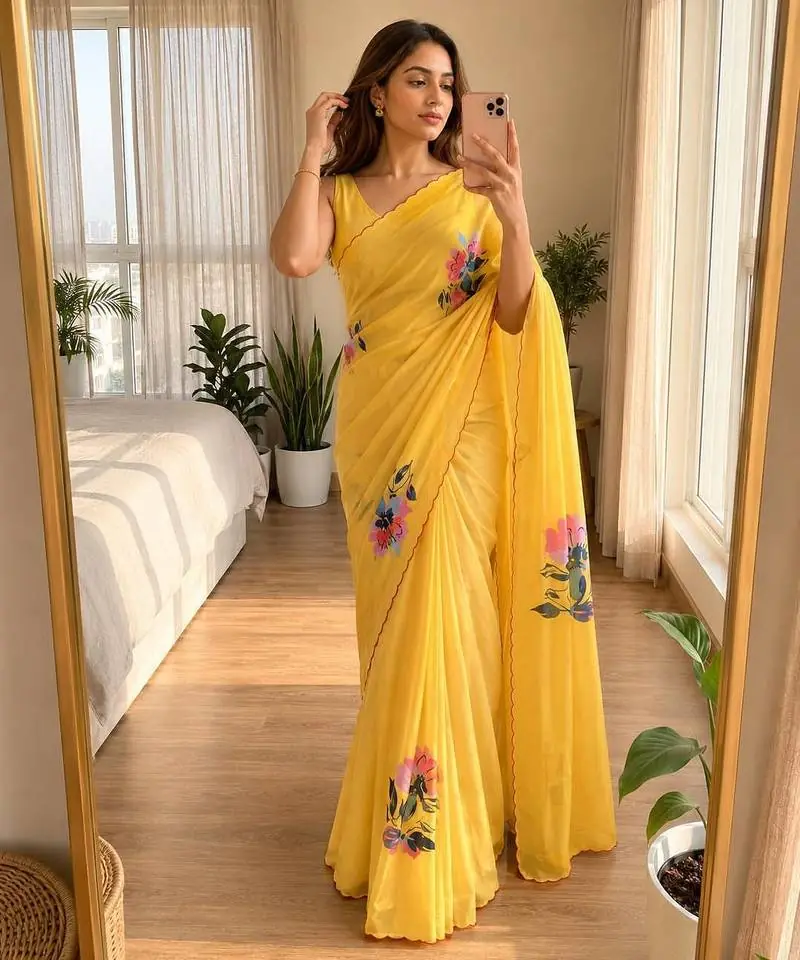
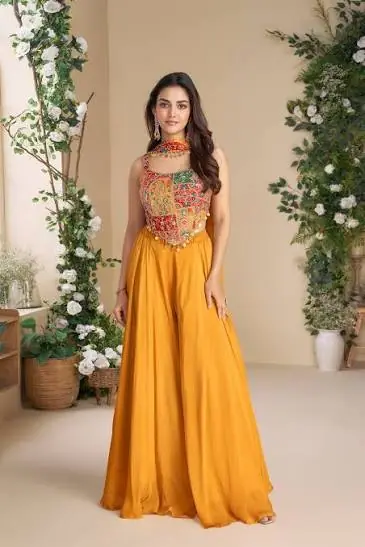
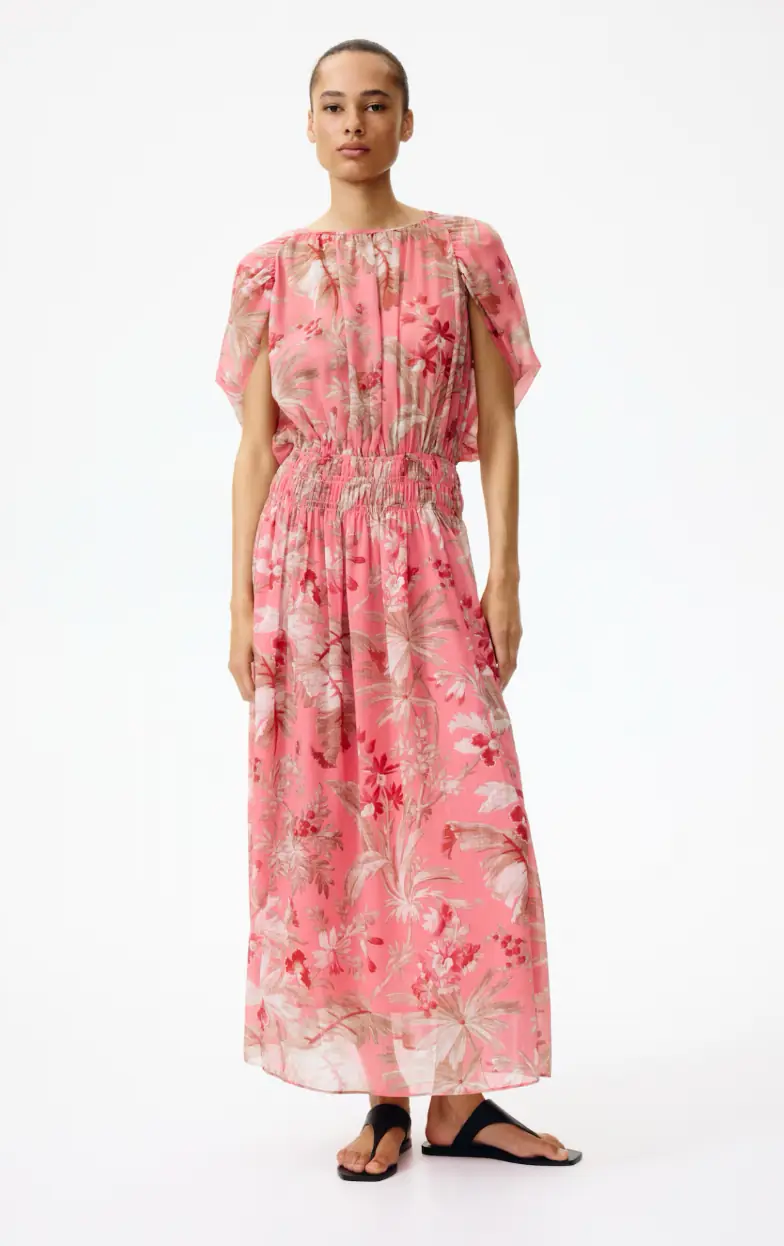
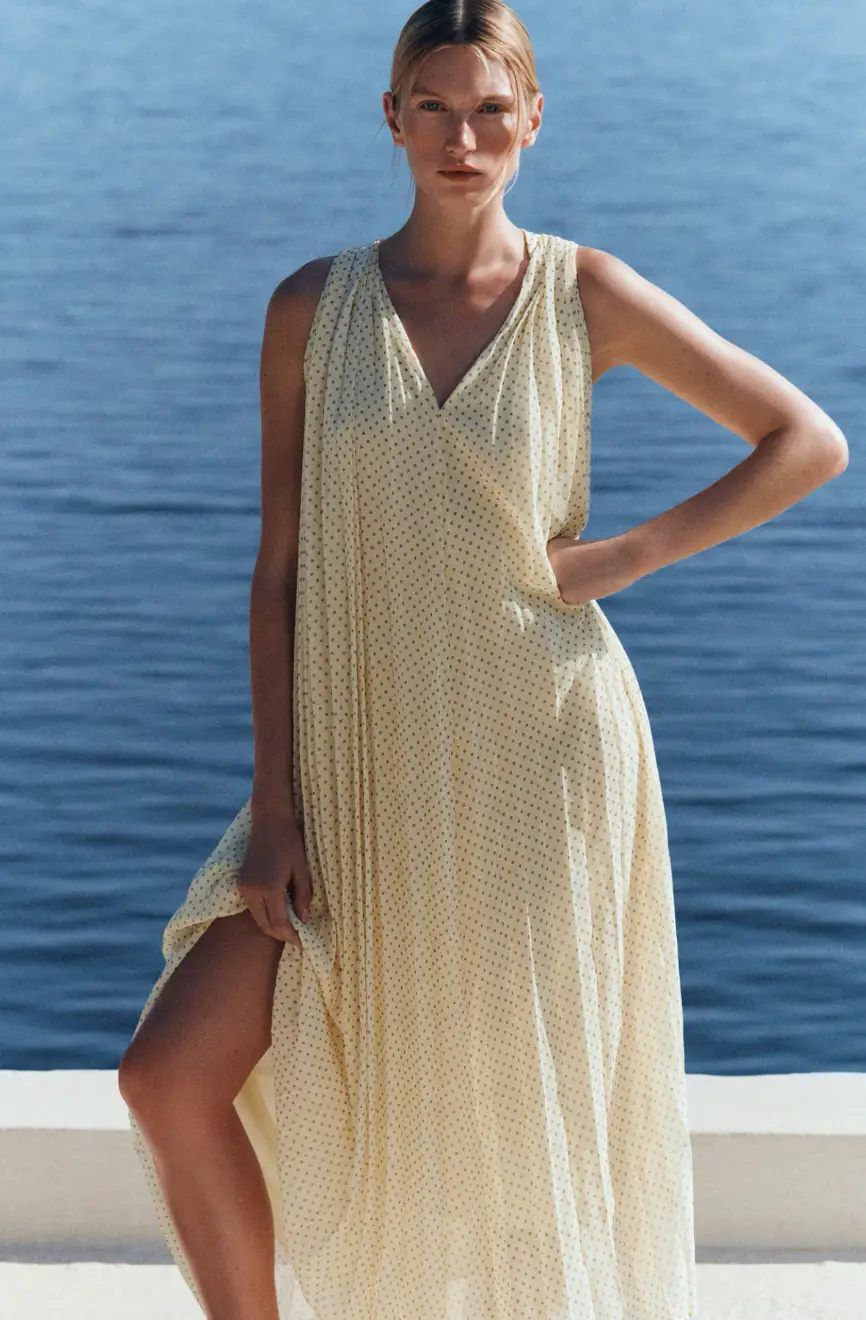
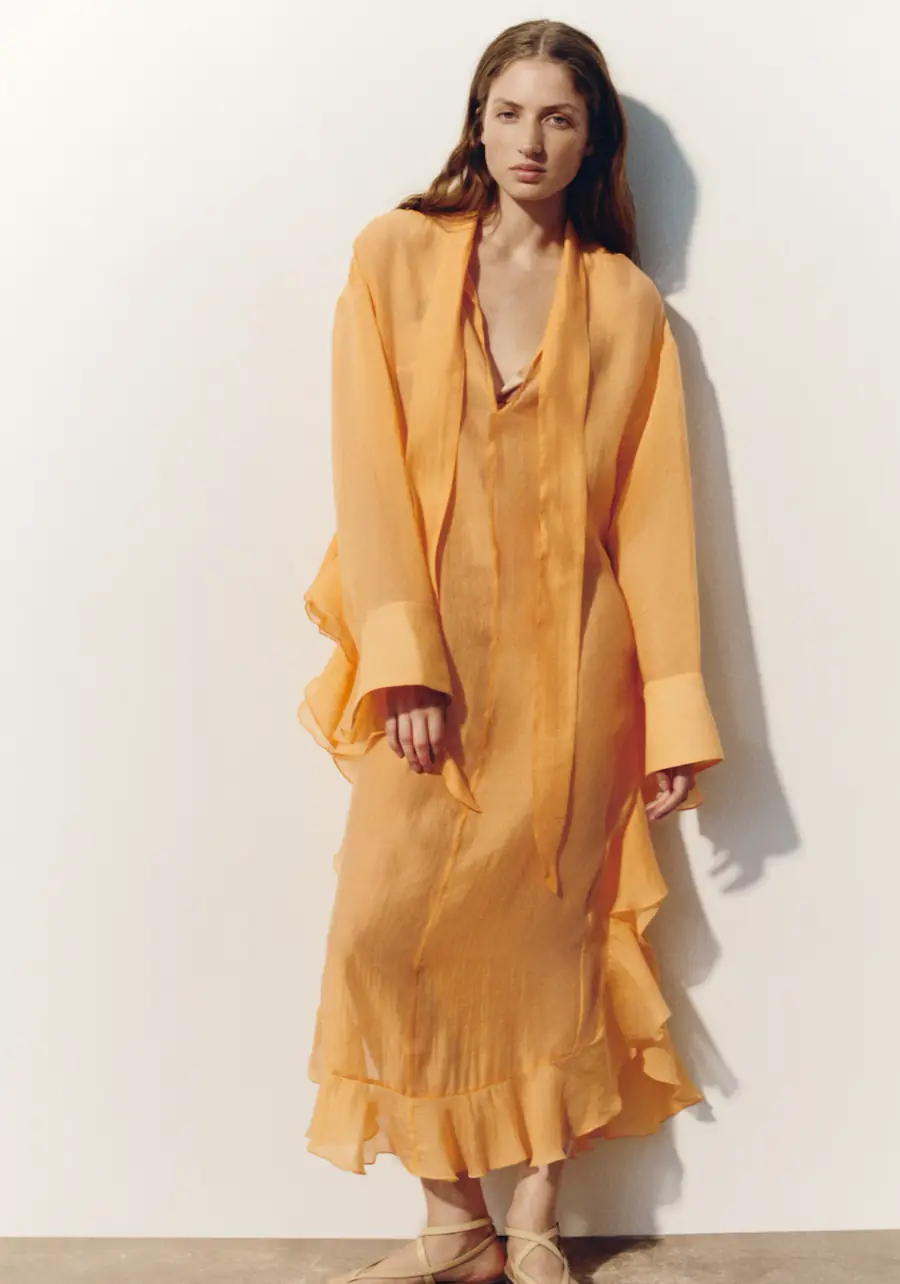

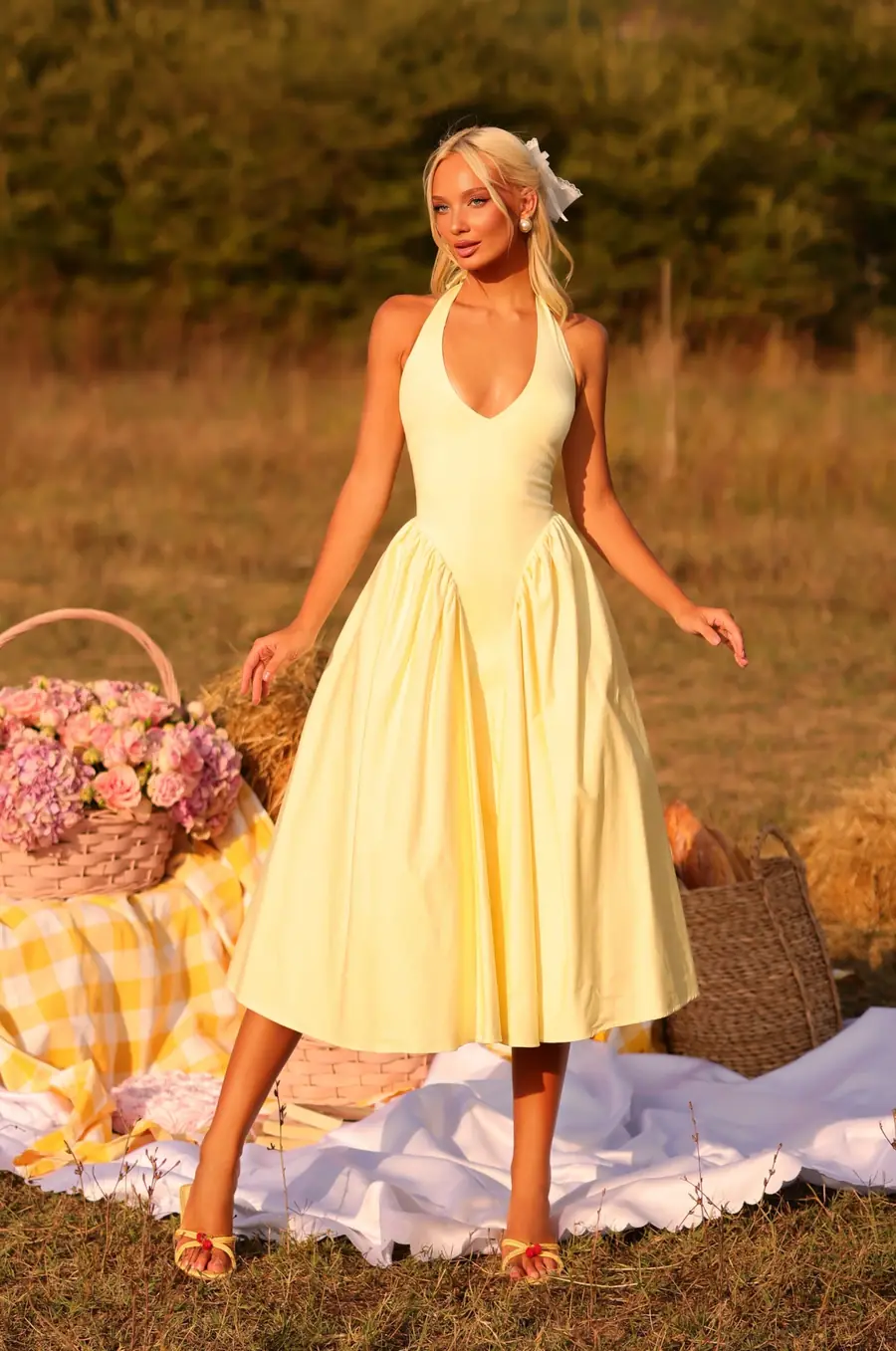
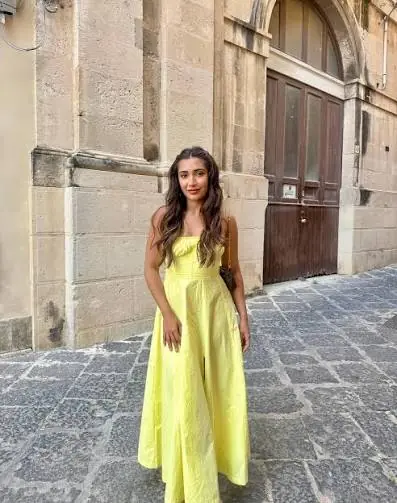
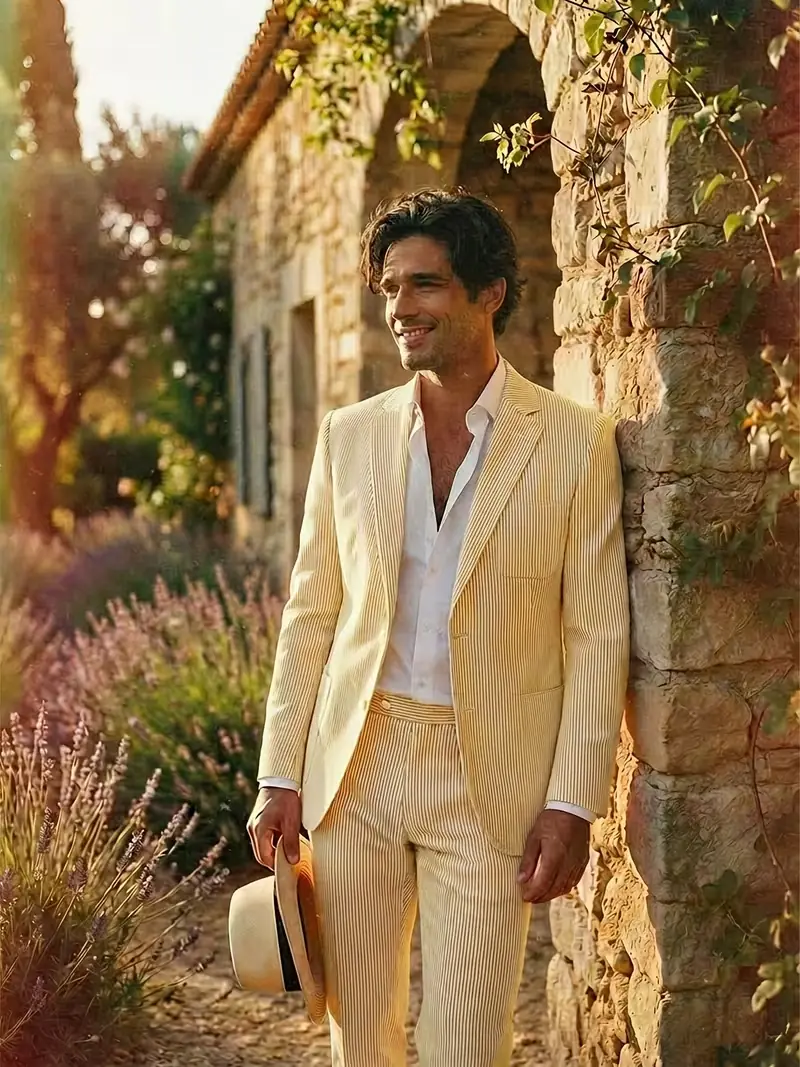

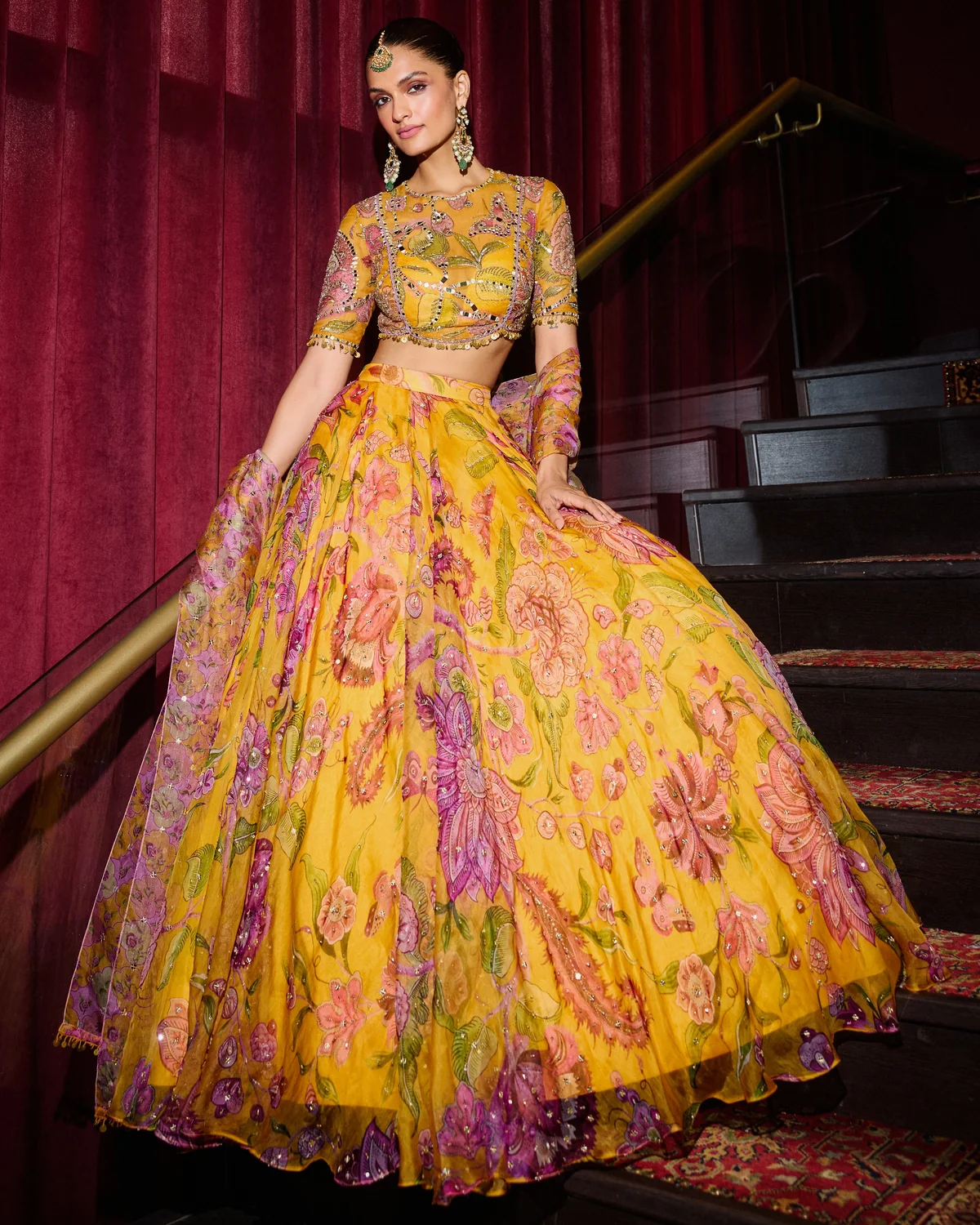
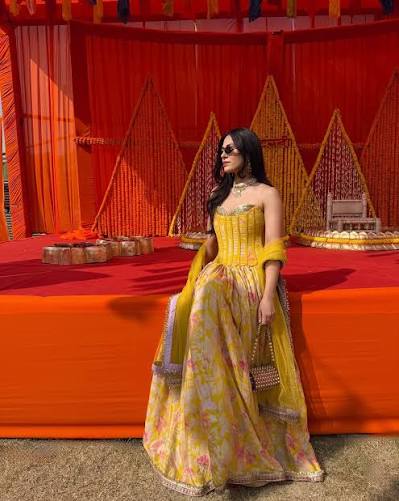

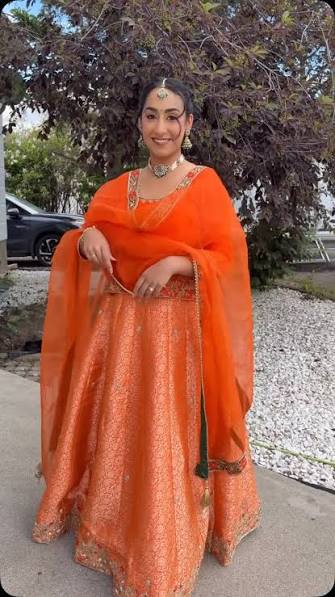
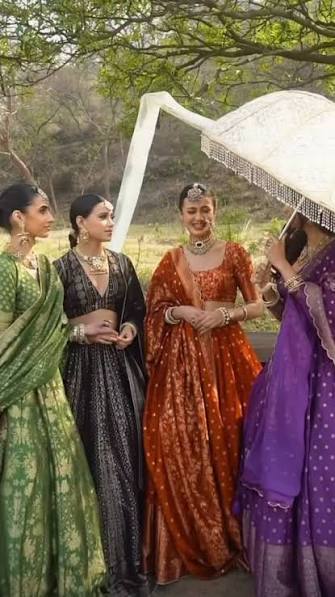
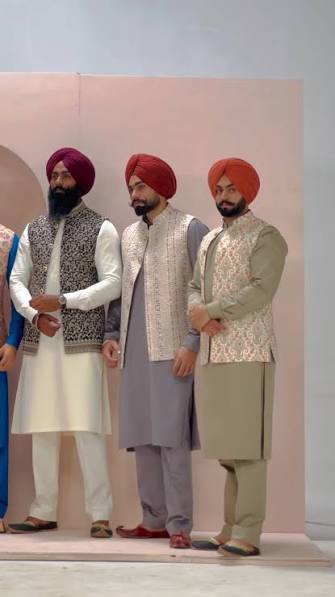
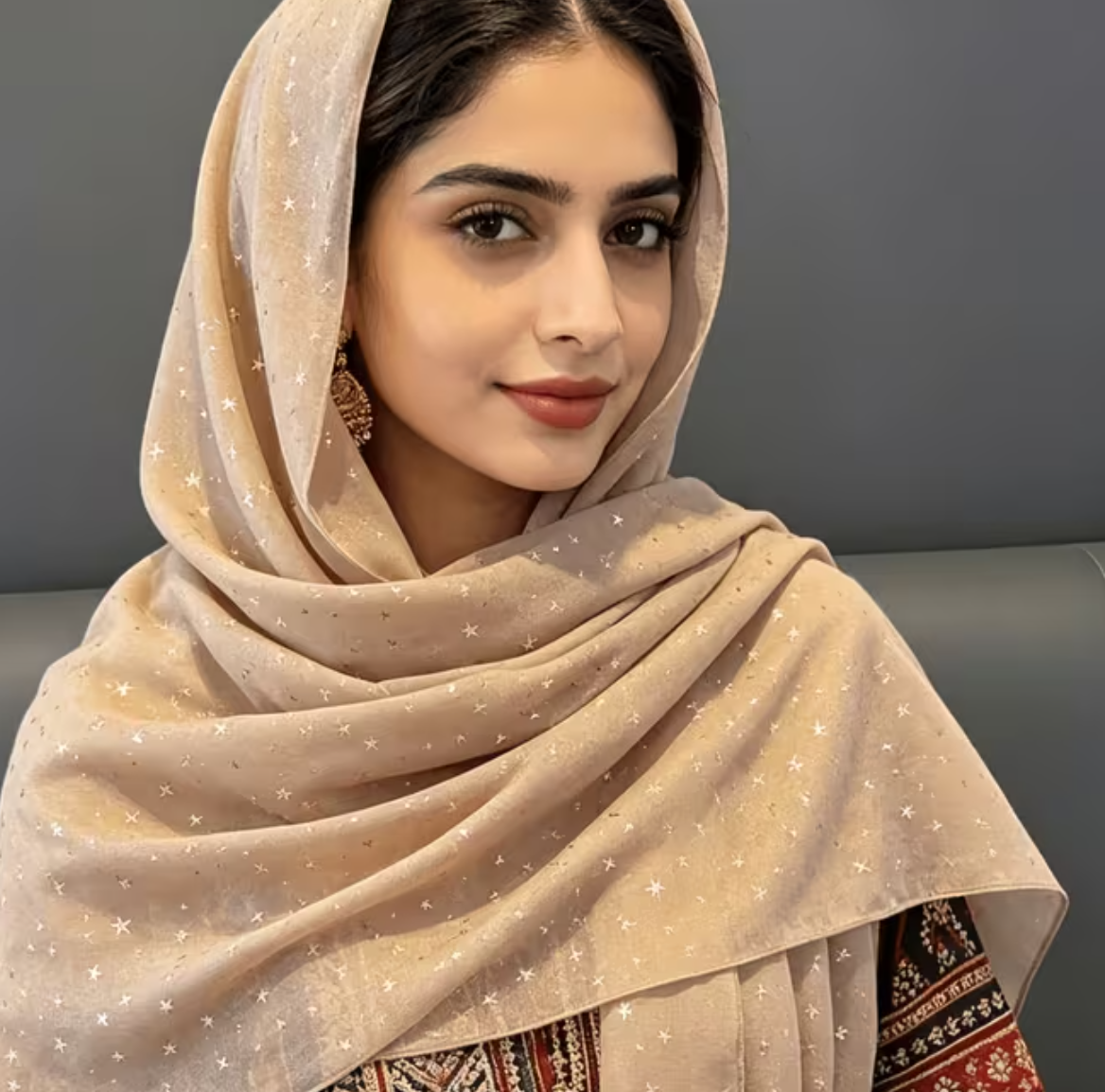
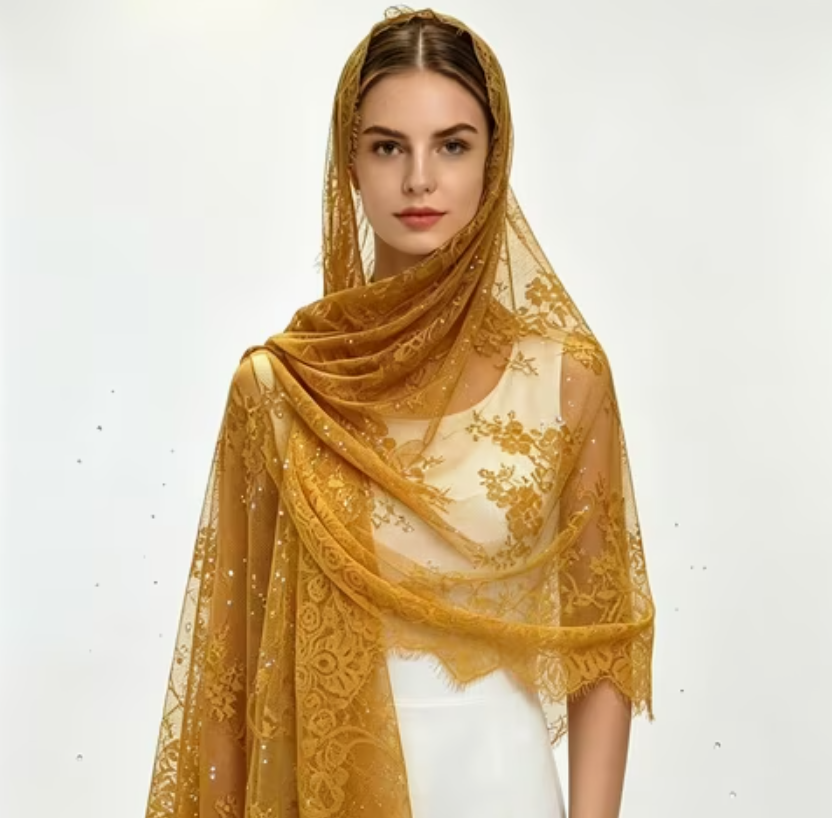
A calm morning in the Gurudwara followed by a long lunch. Soft colours — pastels, blues, lilac, cream — suit the day best.
Women
A long dress — floor-length, or at least well below the ankle. A saree, salwar kameez, a full-length Western gown or trousers with a long tunic all work. The one rule is that you are covered up: shoulders and upper arms covered, nothing low-cut, and legs covered all the way down. No short dresses, no skirts above the ankle, nothing sheer. Bring a shawl or light scarf, it solves most of it.
Men
A suit and shirt — a tie is normal here — or Indian clothes like a kurta pyjama. Long trousers, and shoulders covered: no shorts, no sleeveless tops.
Inside the Gurudwara, women cover their head and shoulders with a chunni — a light scarf. They will be handed out at the entrance, but you are very welcome to bring your own in a colour that matches your outfit. Men are given a scarf to tie. Shoes come off at the entrance, so wear socks or tights you don't mind being seen in — you will also sit cross-legged on the floor, which is another reason loose, leg-covering clothes are the comfortable choice. At the lunch afterwards you keep the same outfit, but heads uncovered and shoes back on — the covering is only for the Gurudwara.
Western or Indian — both welcome
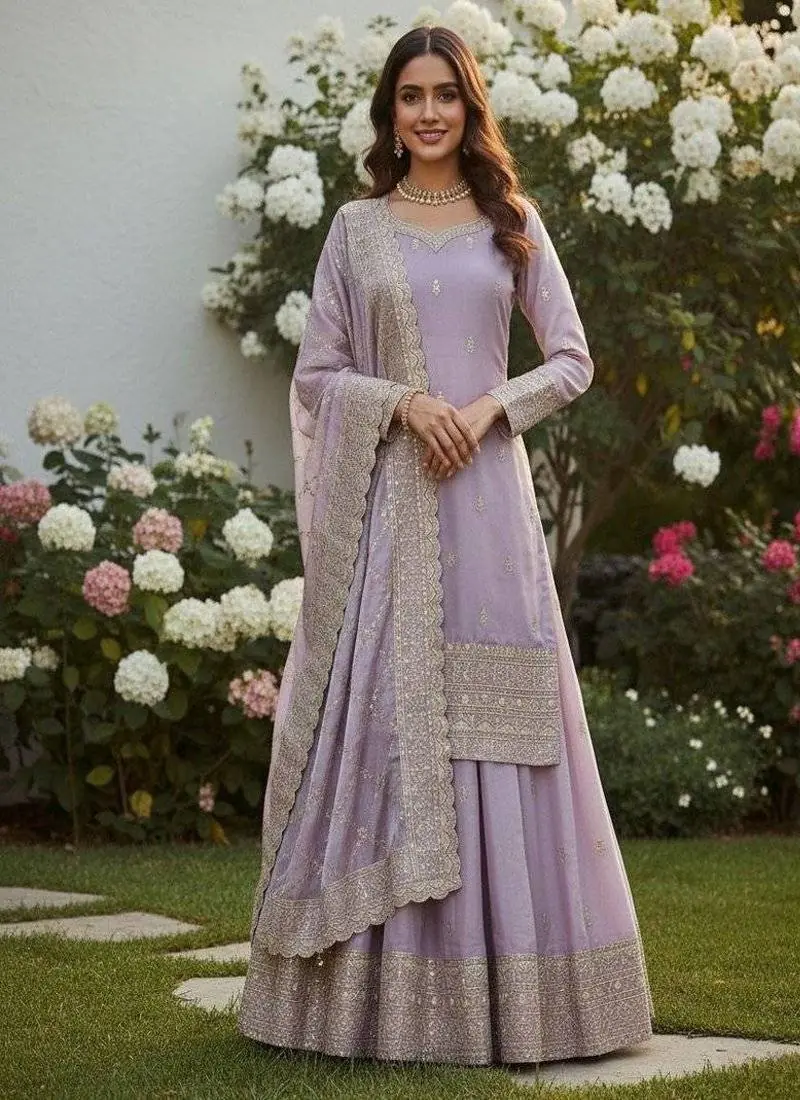
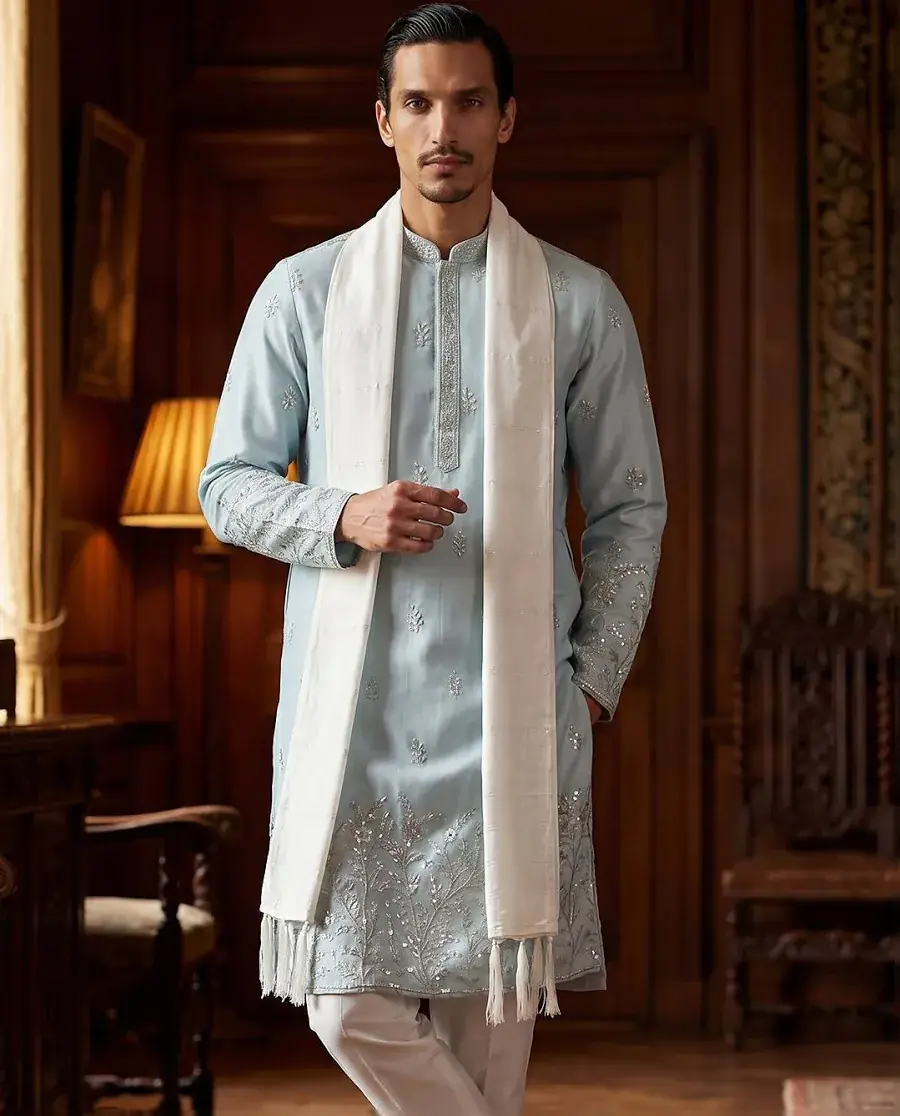

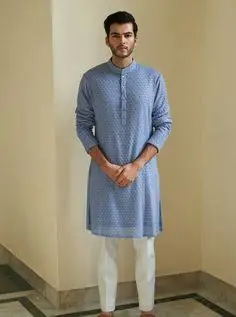
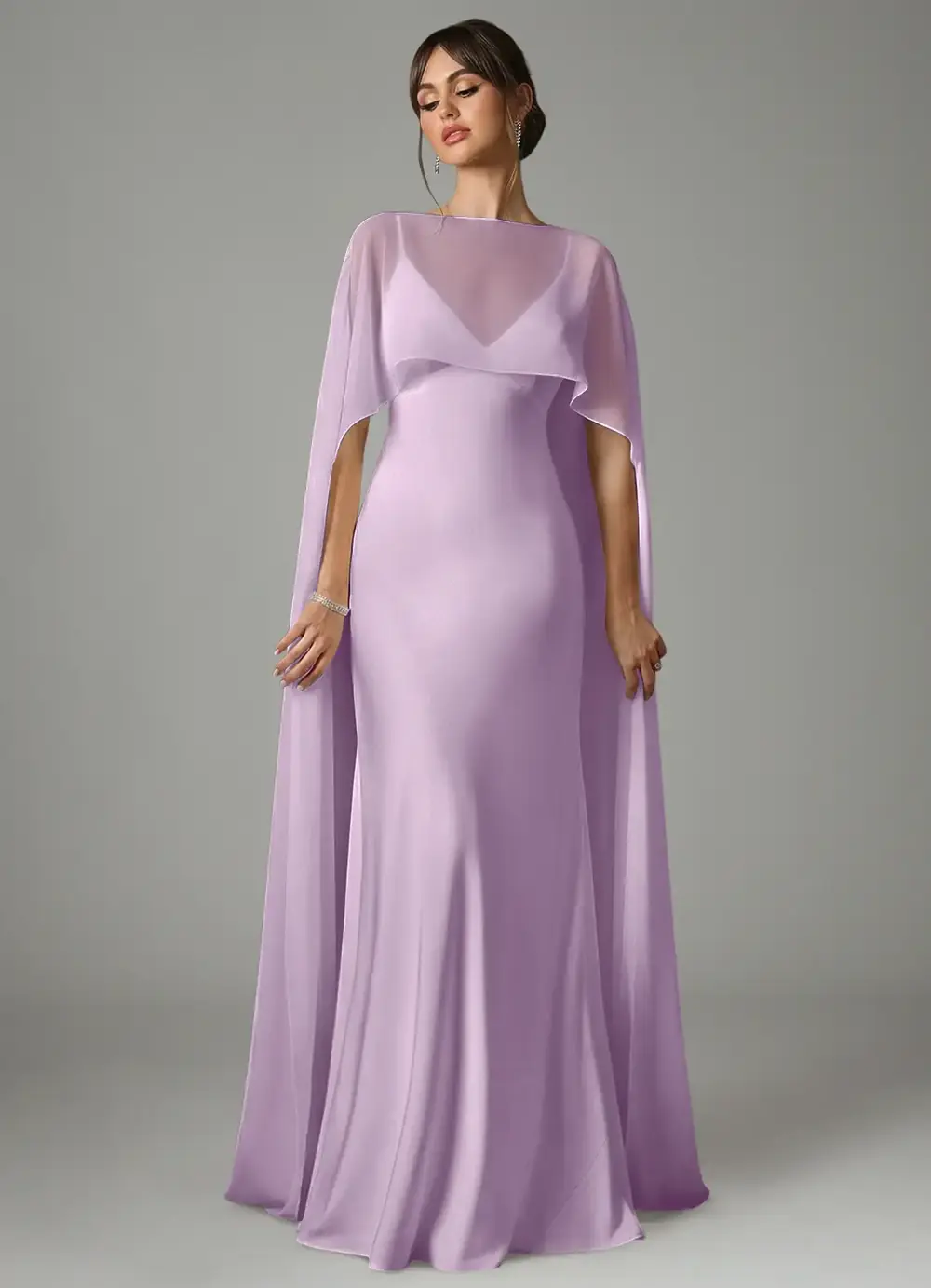
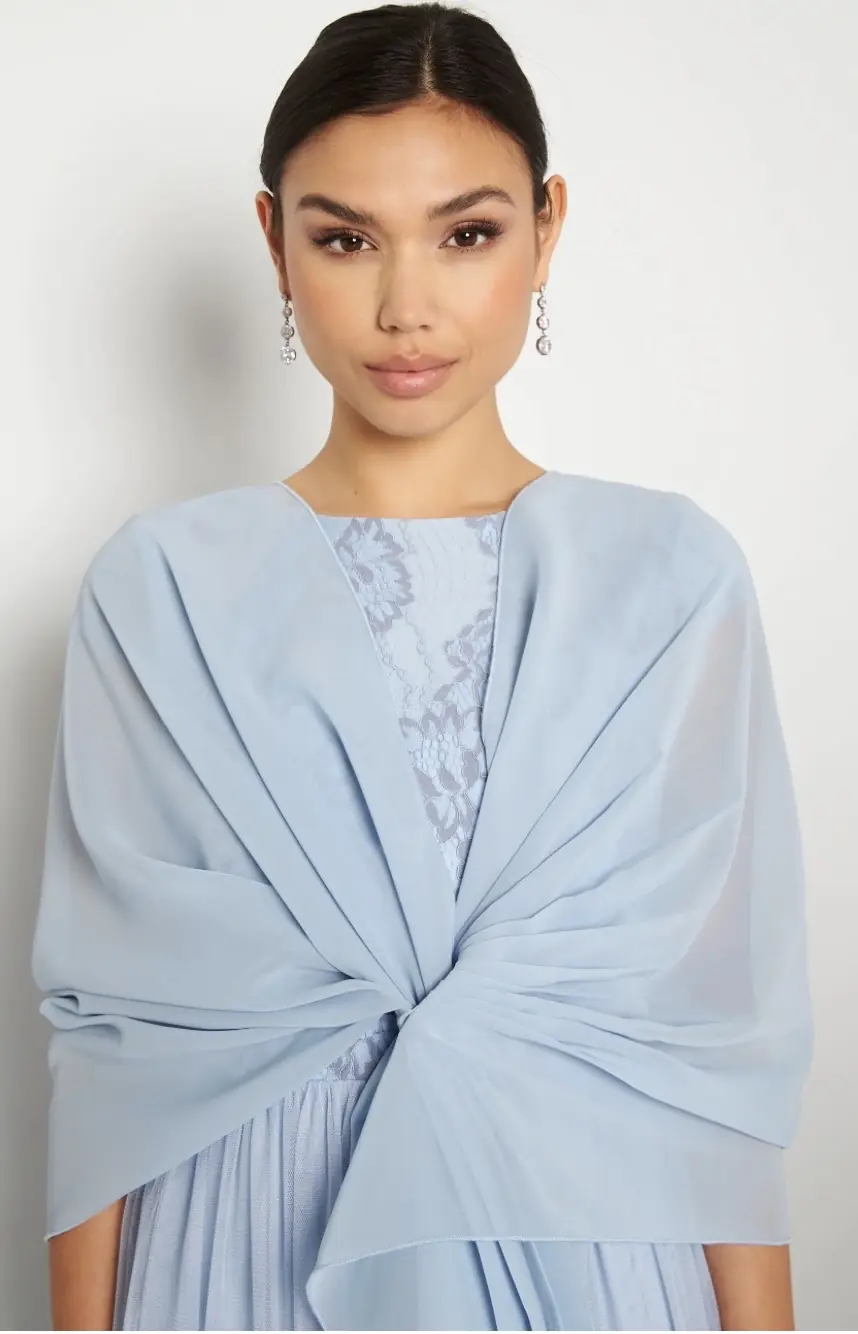

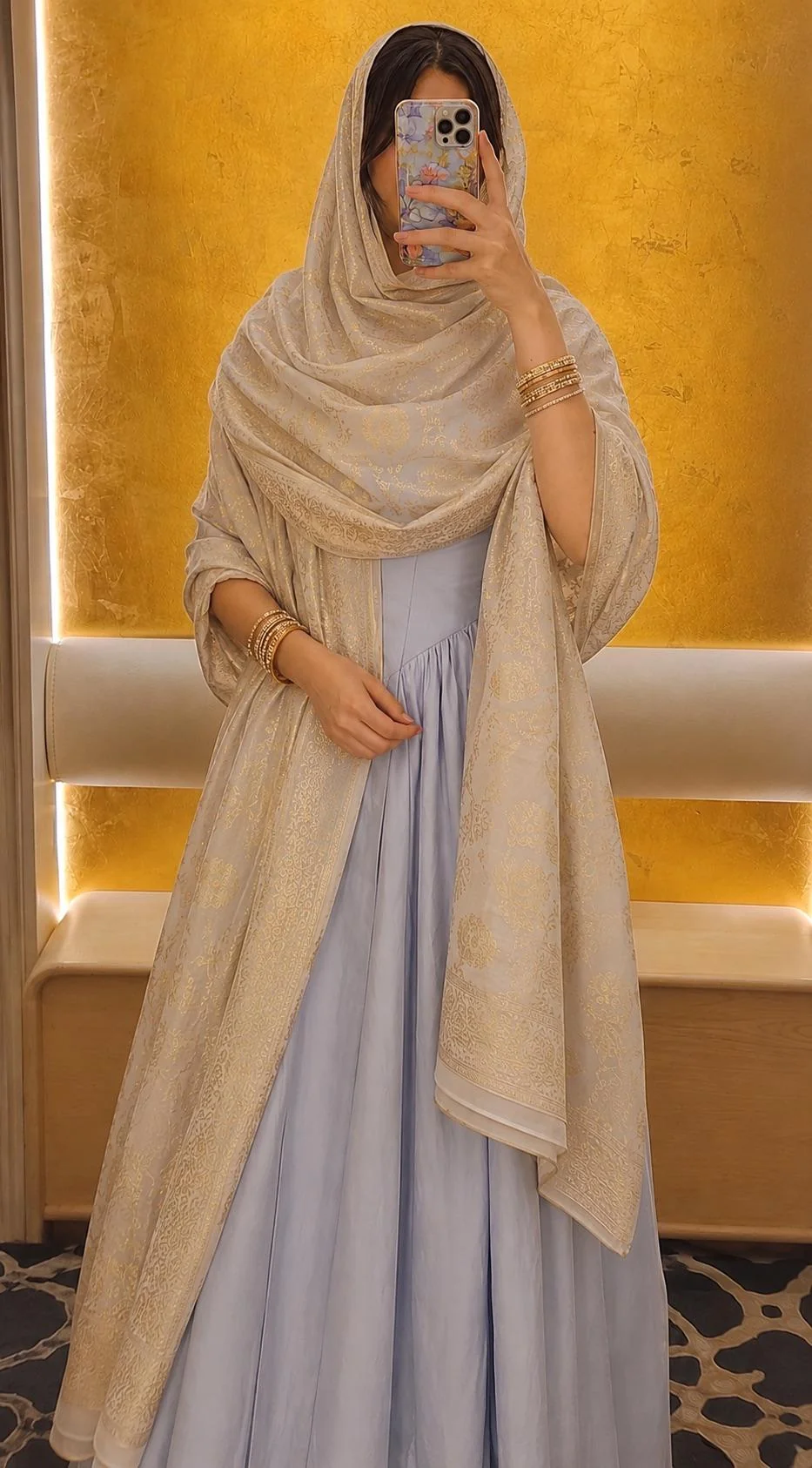
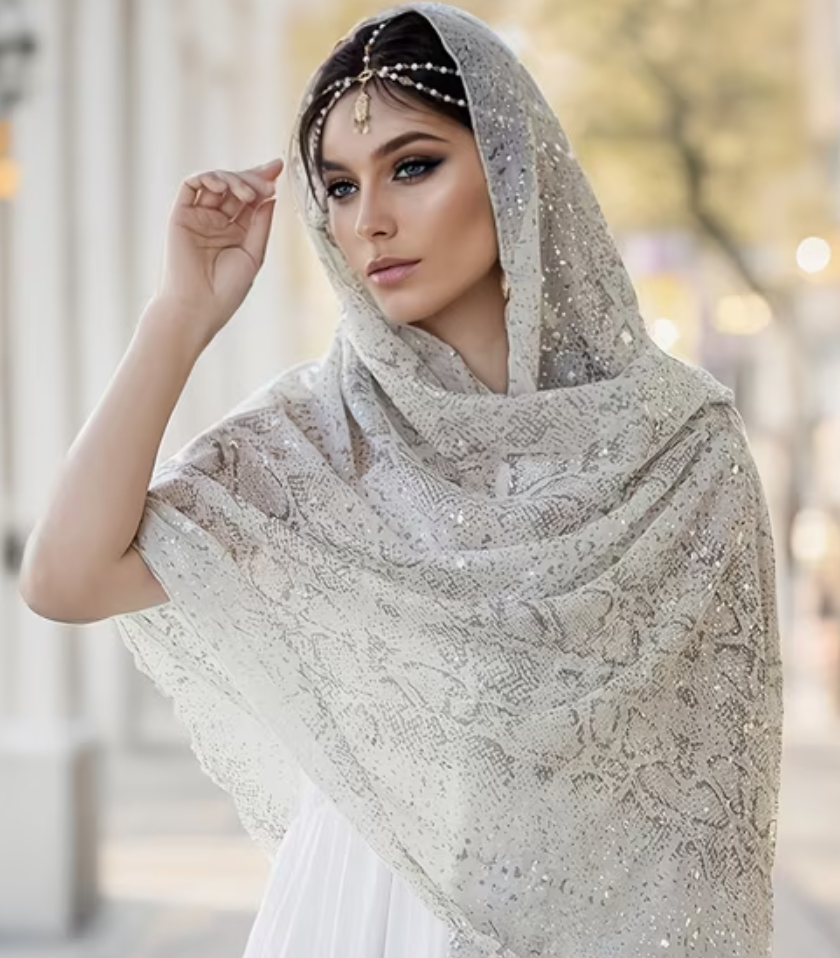
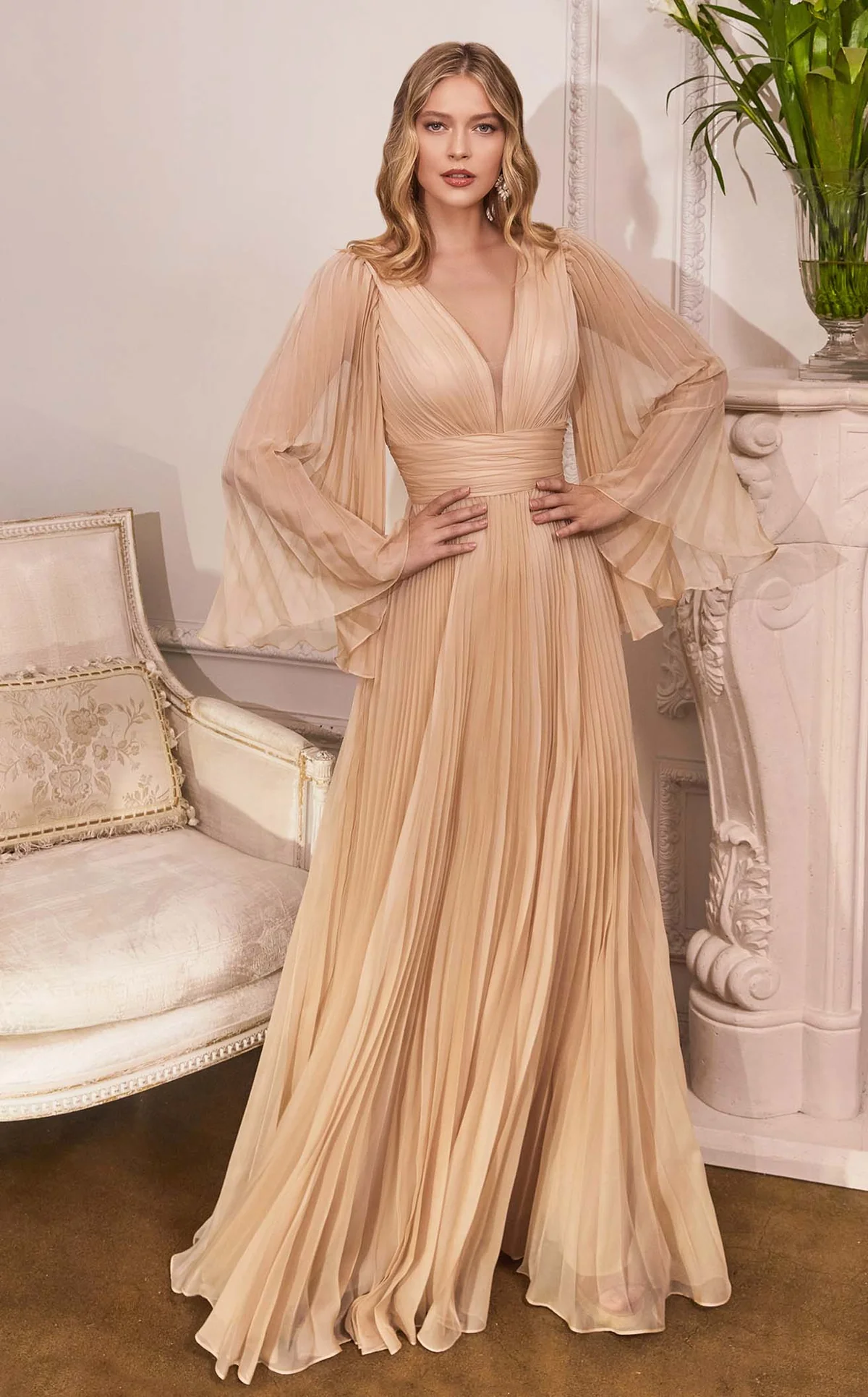
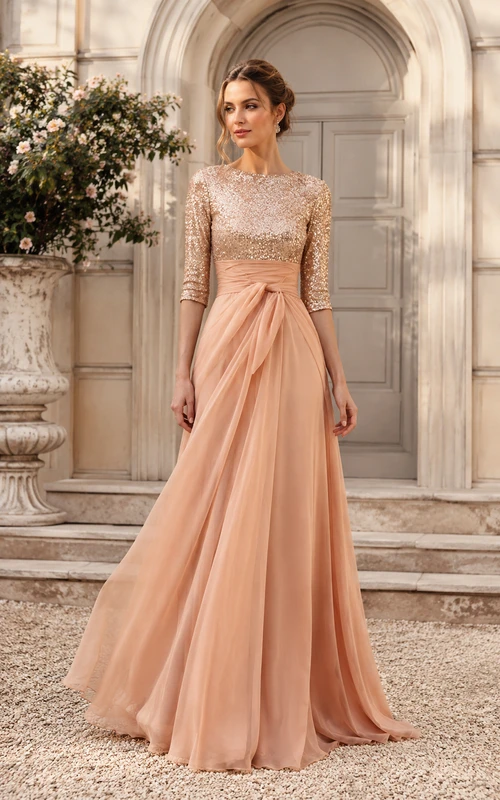

The big evening: dinner, speeches and dancing until late. This is the night to go all out.
Women
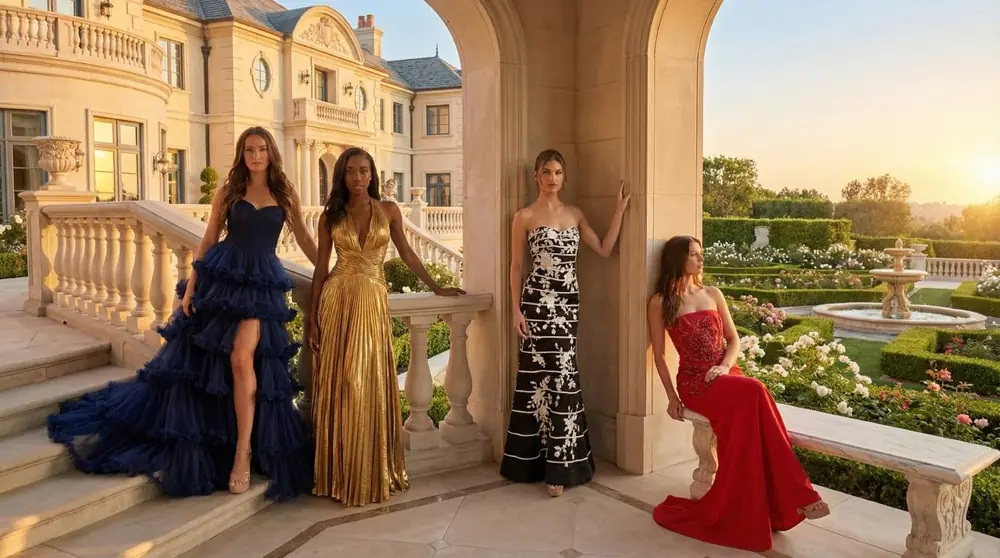
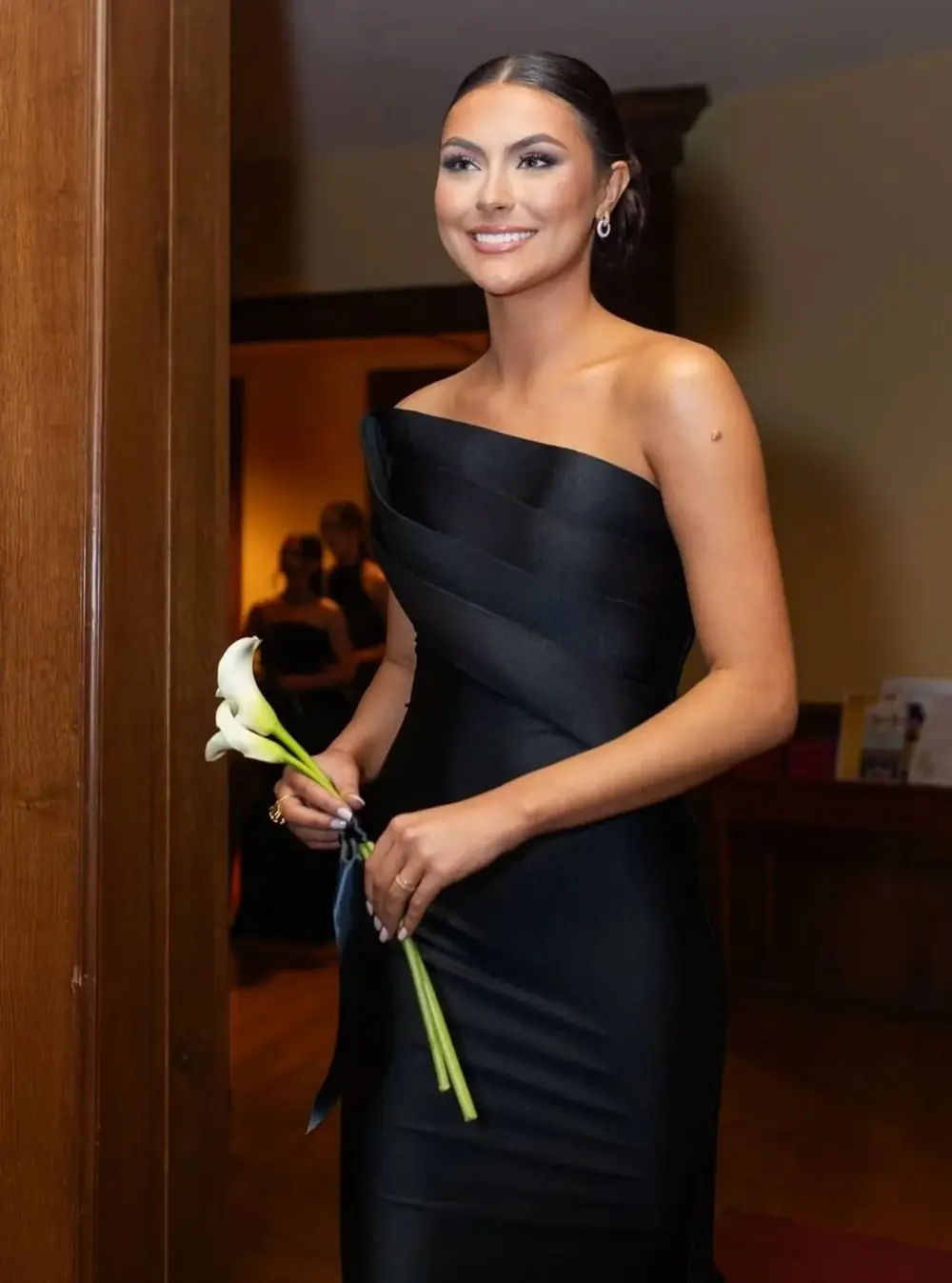
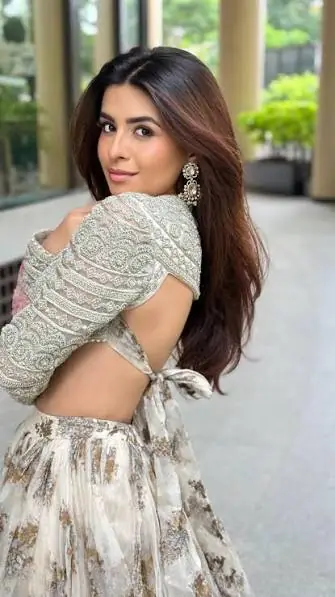
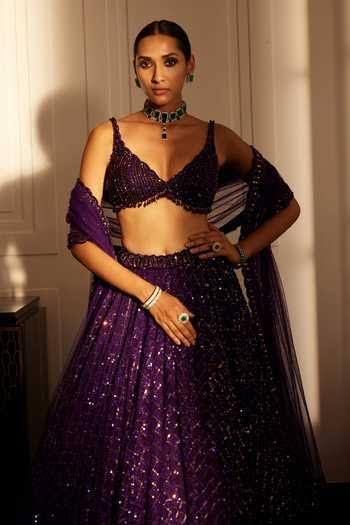
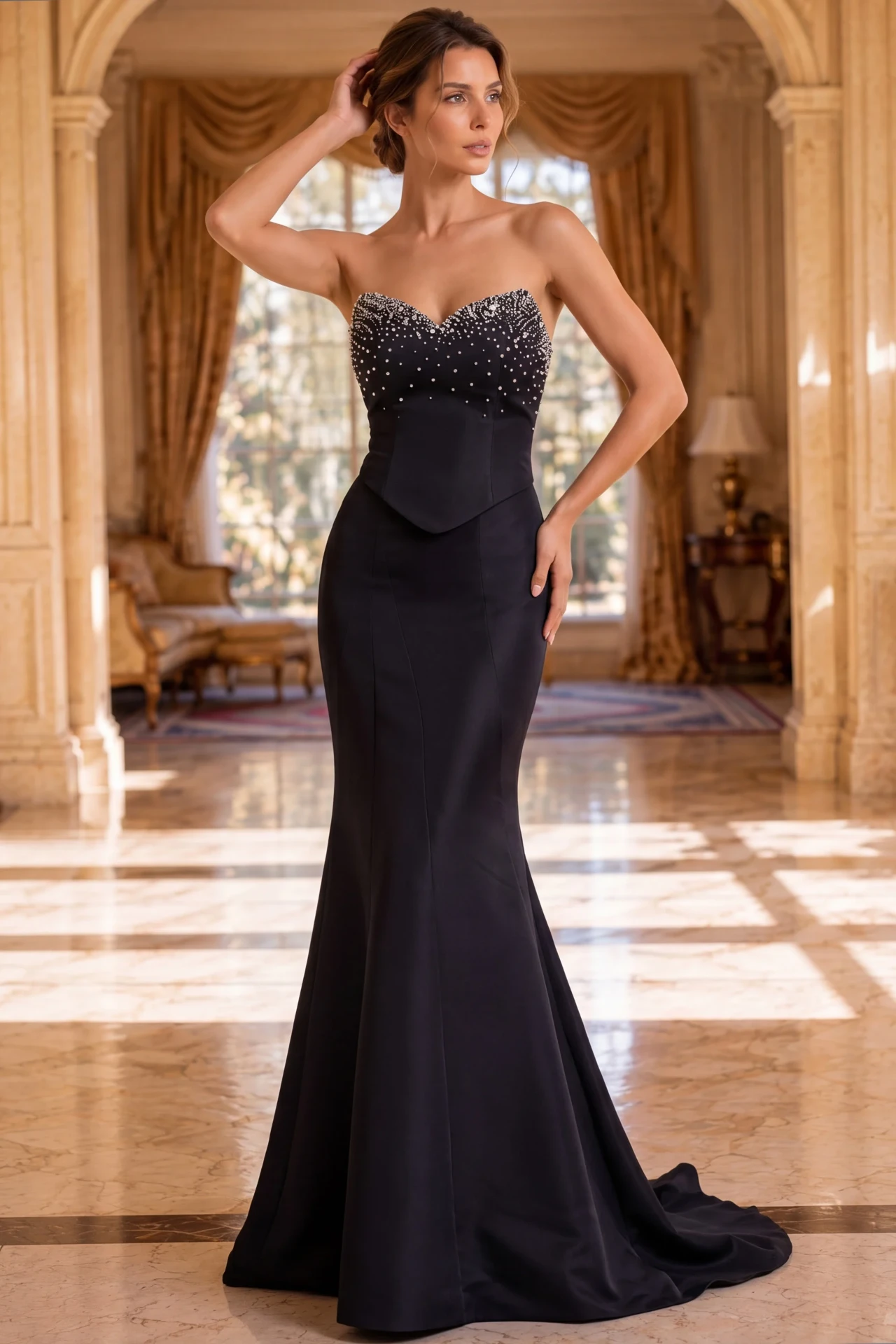
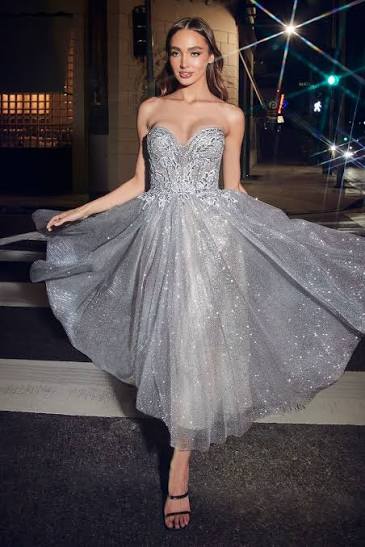
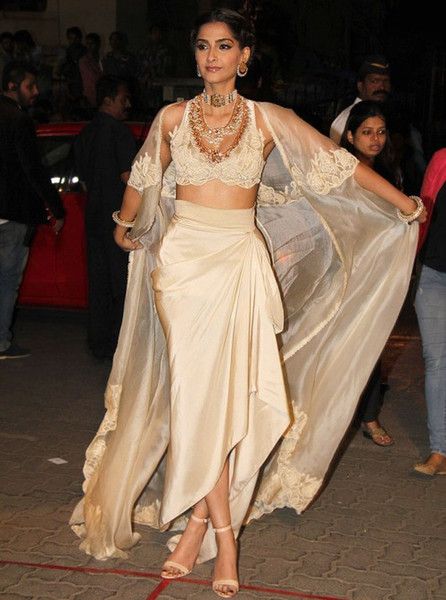
A gown, lehenga, saree or whatever you like best. There is no such thing as too much glitter or too much jewellery at an Indian reception.
Men
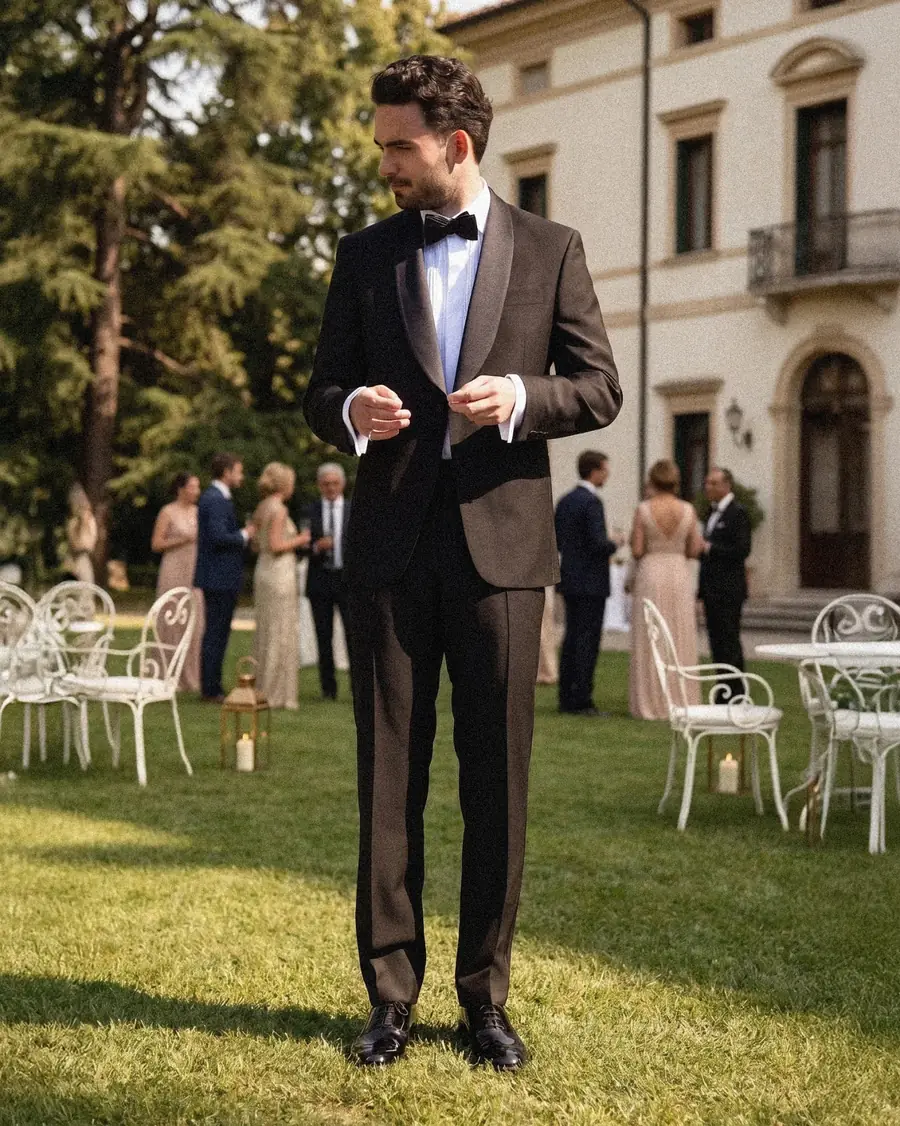
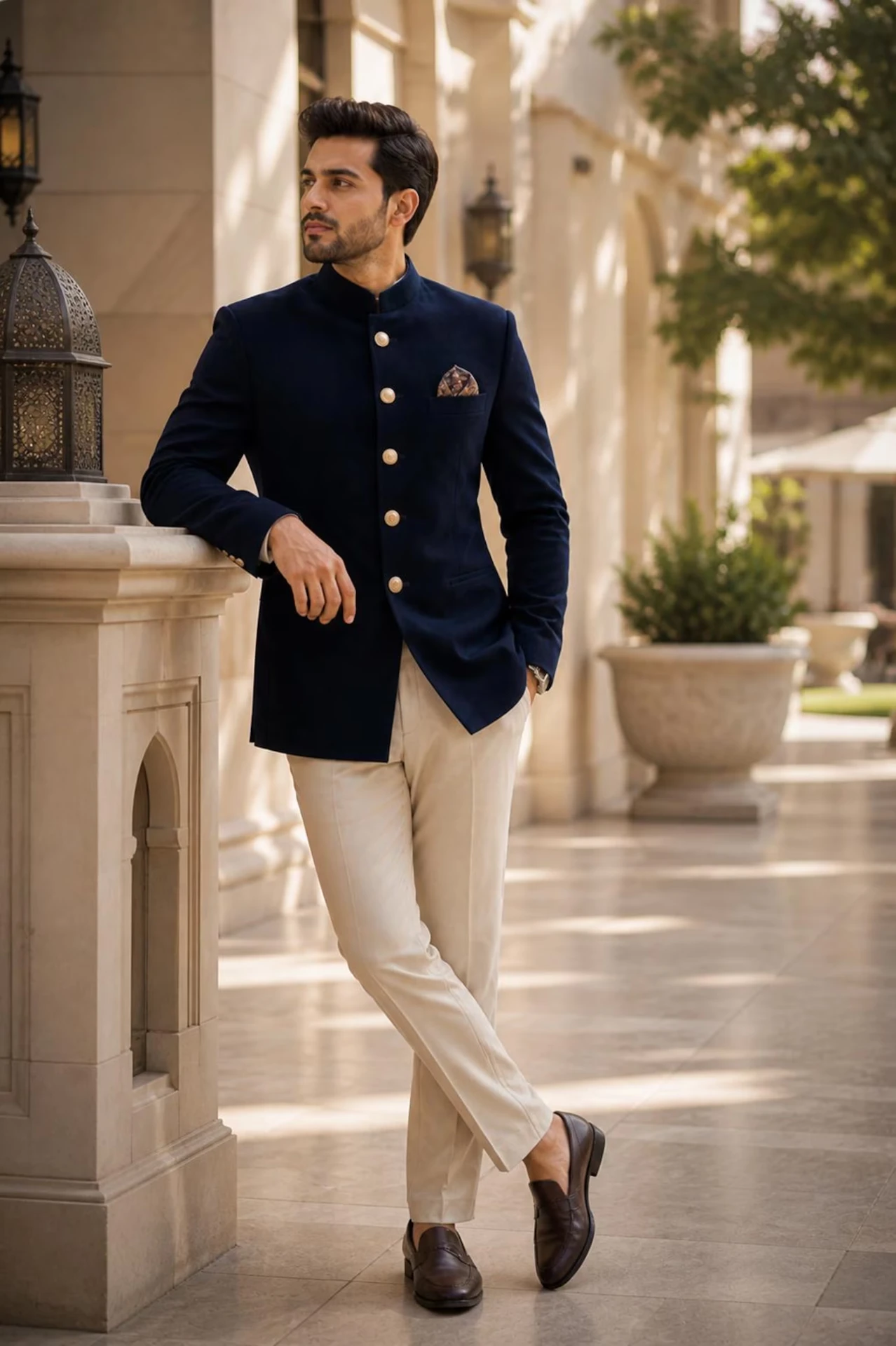
Black tie — a dinner jacket or a dark suit. Simerjit will wear a smoking.
Western or Indian — both welcome



Where to find an outfit
You don't have to buy anything new. Second-hand lehengas and sarees turn up all the time in Norway — have a look on FINN (lehenga), FINN (saree) or Tise. A list of recommended shops — both in Norway and in Delhi — will be uploaded here in November.